Sip the World
Europe

Sip France

Champagne, Burgundy, Bordeaux, Loire wines and the French art of the table

Travel across ten French drinks regions and traditions: Champagne, Burgundy, Bordeaux, the Loire, Rhône, Provence, Alsace, Languedoc-Roussillon, Normandy’s orchards and Cognac. Discover food pairings and verified French wine and spirits from our partners.

Same place · two views

You are in the experience view. Switch to the Atlas to understand the coffee behind the place.

Destination in depth · France

France: a country best understood one glass at a time

A chalk cellar in Champagne. A Burgundy vineyard with its own name. Seafood and Muscadet beside the Loire. Rosé, olives and a long Mediterranean lunch. French drinks aren't a single story or a single price tag: they are a collection of places, people, methods and meals. Follow the regional journey, and find genuine bottles already available through Sipping’s partner catalogue.

French wine country and wine glasses: an illustrated introduction to French wine regions

Featured guide · France

French wine, without the intimidation

Bordeaux, Burgundy, Champagne, Loire and beyond. Learn to read appellations, compare regions and find bottles by the style you actually enjoy—not by a famous label alone.

Explore the complete buying guide

Terroir matters

One grape can become very different wine from one village to the next.

Made for the table

Regional dishes, cheeses and everyday food belong in the story.

Beyond wine

Cognac, Calvados, cider, aperitifs, coffee and more.

Editorial French wine imagery illustrating the Champagne chapter

01 / Champagne

Chardonnay, Pinot Noir, Meunier and patience in the cellar

A whole region behind the bubbles

Champagne is an actual protected wine region in northeastern France, not simply a synonym for expensive bubbles. Its vineyards include the Montagne de Reims, Vallée de la Marne, Côte des Blancs and Côte des Bar. Chardonnay, Pinot Noir and Meunier are the classic grapes, but growers make choices about parcels, base wines, blending, reserve wines and time on lees.

Most Champagne undergoes its second fermentation in the bottle. That is the core of the traditional method, which other regions use too. A Blanc de Blancs is made from white grapes, most often Chardonnay here; Blanc de Noirs comes from black grapes. Brut is about dosage/sweetness, not a quality ranking. Try to distinguish a grower’s single-village or parcel wine from a larger house blend without assuming one must be better.

Brut Champagne with oysters, gougères or salty Comté; rosé Champagne with charcuterie.

Aerial view of vineyards near Mâcon in Burgundy, France

02 / Burgundy & Beaujolais

Chardonnay, Pinot Noir, Gamay and the meaning of a climat

Two grapes, countless individual places

Burgundy is remarkable for how closely wine identities follow individual sites. From the northern vineyards of Chablis to the Côte de Nuits, Côte de Beaune and Mâconnais, Chardonnay is key to the whites and Pinot Noir to much of the red wine. A village name or a named Premier Cru vineyard tells you something about origin, not a guarantee that you will love the bottle.

Chablis is Chardonnay, frequently more citrus-led and brisk than a richly barrel-influenced Meursault. Move south to Beaujolais and Gamay becomes the story: Morgon, Fleurie, Moulin-à-Vent and other crus show that the region deserves to be explored beyond Beaujolais Nouveau. French wine becomes much easier when you learn the place first and let grape varieties follow.

Chablis with shellfish; Pinot Noir with mushrooms or roast chicken; Beaujolais with a Lyonnaise lunch.

Wine in a French vineyard setting, illustrating Bordeaux’s winemaking traditions

03 / Bordeaux

Left bank, right bank, dry whites and the sweet wine of Sauternes

Blending, riverbanks and a lot more than grand châteaux

Bordeaux grows around the Garonne, Dordogne and their estuary. On the Left Bank, gravel soils and Cabernet Sauvignon are often important; on the Right Bank, Merlot and Cabernet Franc feature prominently in appellations such as Saint-Émilion and Pomerol. These are tendencies, not recipes, and every producer chooses a different blend and style.

Some of France’s most enjoyable everyday Bordeaux wines are far less costly than the classified first growths. There are also dry whites, typically involving Sauvignon Blanc and Sémillon, and sweet botrytised wines from Sauternes and Barsac. The key buying question is not “which château is famous?” but “what is this appellation and style, and is the vintage right for how I intend to drink it?”

Bordeaux blend with roast lamb; a dry white Bordeaux with seafood; sweet Sauternes with blue cheese.

Autumn-coloured vineyards and hilltop Sancerre in the Loire Valley, France

04 / Loire Valley

Muscadet, Chenin Blanc, Sauvignon Blanc and Cabernet Franc

A river runs through almost every wine style

The Loire is no single style. Close to the Atlantic, Muscadet made from Melon de Bourgogne is often dry, salty-feeling and splendid with oysters. Around Vouvray and Anjou, Chenin Blanc can be taut and dry, sparkling or wonderfully sweet depending on the producer. Move east and Sauvignon Blanc becomes especially associated with Sancerre and Pouilly-Fumé.

Cabernet Franc gives Chinon and Bourgueil red wines of different shapes: bright, fragrant and easygoing through to structured expressions worthy of time. Saumur offers both still and sparkling wine. The Loire is one of the best answers to someone who says French wine is too expensive or too complicated: it is varied, food-friendly and often full of discovery.

Muscadet with mussels; Sancerre with goats’ cheese; Chinon with roast poultry; Chenin with fish.

Rows of vines at Domaine de Panéry near Pouzilhac in southern France

05 / Rhône Valley

Syrah in the north; Grenache-led blends in the south

Two valleys hiding inside one wine name

The Northern Rhône runs through some striking slopes, and Syrah is the central red grape in Côte-Rôtie, Hermitage and Crozes-Hermitage. Whites can involve Viognier, Marsanne and Roussanne, and some appellation rules permit blending small amounts of white grapes into red wine.

Farther south, the Mediterranean’s influence is stronger. Côtes du Rhône and Châteauneuf-du-Pape frequently blend Grenache with Syrah, Mourvèdre and other permitted grapes. Gigondas and Vacqueyras are important stops along the way. A “Rhône red” is therefore not one flavour: follow the appellation and the grape mix rather than the broad river name.

Northern Rhône Syrah with grilled lamb; Côtes du Rhône with roast vegetables; Rhône white with herbed chicken.

The Mediterranean harbour and hillside in Cassis, Provence, France

06 / Provence

Mediterranean vineyards, Bandol and the ritual of pastis

Rosé with a real sense of place

Provence rosé is often pale and dry, built from a range of permitted grapes such as Grenache, Cinsault, Syrah and Mourvèdre. Côtes de Provence covers a wide landscape; coastal Bandol has its own appellation traditions and is also serious about red wine. Pale colour is not a rating of quality, and freshness matters more than how fashionable the bottle looks.

A glass of rosé with grilled fish, ratatouille or a table of olives is one of the region’s pleasures. Pastis is another, typically diluted with cold water to become cloudy and anise scented. It is an aperitif tradition, not a substitute for Provence wine and not a reason to rush a warm afternoon.

Dry Provence rosé with grilled prawns, olives, ratatouille or tomato tart.

07

07 / Alsace

Riesling, Gewurztraminer, Pinot Gris and Crémant d’Alsace

French vineyards with a white-wine accent

Along the Vosges, Alsace has a different feel from much of France’s wine country. Riesling, Gewurztraminer, Pinot Gris and Muscat are central to the aromatic whites, with Pinot Noir for red and Crémant d’Alsace for sparkling wine. The grape variety commonly appears on the front label, which can feel like welcome relief after a complicated Burgundian village name.

Do not assume every Alsace Riesling will match a German Riesling, or that every Gewurztraminer will be dry. Some Alsace wines retain sweetness; Vendanges Tardives and Sélection de Grains Nobles have specific late-harvest associations. Look at the producer’s actual technical notes and pair rich, aromatic styles with flavourful food.

Alsace Riesling with choucroute; Gewurztraminer with washed-rind cheese or a gently spiced dish.

08

08 / Languedoc, Roussillon & the South West

Mediterranean reds, orange wines, Malbec and Tannat

Beyond the postcard wine regions

Languedoc and Roussillon offer a remarkable variety of wines, from easy-drinking Mediterranean reds to distinctive old-vine bottlings and skin-contact whites. Minervois, Corbières, Pic Saint-Loup, Côtes du Roussillon and Collioure tell very different stories. The region can be excellent territory for adventurous buyers who do not want to pay for a household-name appellation.

In the wider South West, Cahors is associated with Malbec, Madiran with Tannat, and Jurançon with dry or sweet whites made from local varieties. French wine remains much bigger than the Bordeaux-versus-Burgundy debate. These are particularly rewarding regions for meaningful food pairings without prestige pricing.

Minervois with cassoulet; Cahors with roast duck; a textured Roussillon white with grilled vegetables.

Apple trees in an orchard, illustrating French cider and Calvados traditions

09 / Normandy & Brittany

Cider, perry, Calvados and the apple beside cheese

A French orchard deserves its own glass

Not all of France’s great drinks come from vineyards. Normandy and Brittany have deep traditions of cider, often made from blends of apple varieties that contribute acidity, tannin, sweetness and aroma. Perry made with pears also forms part of the wider orchard story. A crisp cider with buckwheat galettes or Camembert makes a beautifully sensible pairing.

Calvados is a protected apple- or apple-and-pear-based brandy associated with defined Normandy production areas. Fermented fruit becomes a spirit through distillation and often oak ageing; it is not simply apple-flavoured vodka. For a buyer choosing between Calvados, Cognac and Armagnac, understanding the raw material is the best first step.

Normandy cider with Camembert; Calvados with an apple dessert, on another occasion.

Glassware illustrating the traditions of French grape brandy and aperitifs

10 / Cognac, Gascony & French aperitifs

Cognac and Armagnac are neighbours, not interchangeable spirits

After the vines, there is the still

Cognac comes from a legally delimited region around the Charente and Charente-Maritime, and is made using defined grape varieties, distillation and ageing rules. In Cognac the names Grande Champagne and Petite Champagne refer to sub-regions of Cognac, not sparkling-wine Champagne. Gascony’s Armagnac has its own origin, grape and distillation tradition; Bas-Armagnac is a recognised cru.

French aperitif culture extends from Pineau des Charentes and Lillet to Kir, made traditionally with white wine and crème de cassis, and the distinctly herbal Chartreuse. Lyon, Dijon, Paris and countless villages all have their own everyday café and after-dinner rituals. French cheese, chocolate and pastry offer equally interesting alcohol-free pairings with coffee and tea.

Pineau chilled as an aperitif; Cognac with dark chocolate; coffee and pâte de fruit after dinner.

An itinerary for curious palates

Five gentle ways into France

A set of ideas for separate days, not a drinking challenge. Good French food, coffee and non-alcoholic alternatives can be the main event.

01 / France

A sparkling welcome

Brut Champagne with a gougère, or sparkling water with lemon.

02 / France

A northern white

Chablis or Muscadet beside seafood, with a non-alcoholic pairing if preferred.

03 / France

The river valleys

Chinon or Rhône red on another day, paired with a simple roast.

04 / France

A Mediterranean table

Provence rosé with vegetables, tomato, olives and grilled seafood.

05 / France

A different ending

French coffee, a cider-based dessert or a small Cognac on a separate occasion.

Sources and buying clarity

Official French Agriculture and INAO resources explain the geographic appellations and major regional characteristics. Our product suggestions are curated by actual French provenance and checked against approved product images in Sipping's current catalogue. They are not promises about live stock, price or a pictured bottle's future vintage.

Mix something local

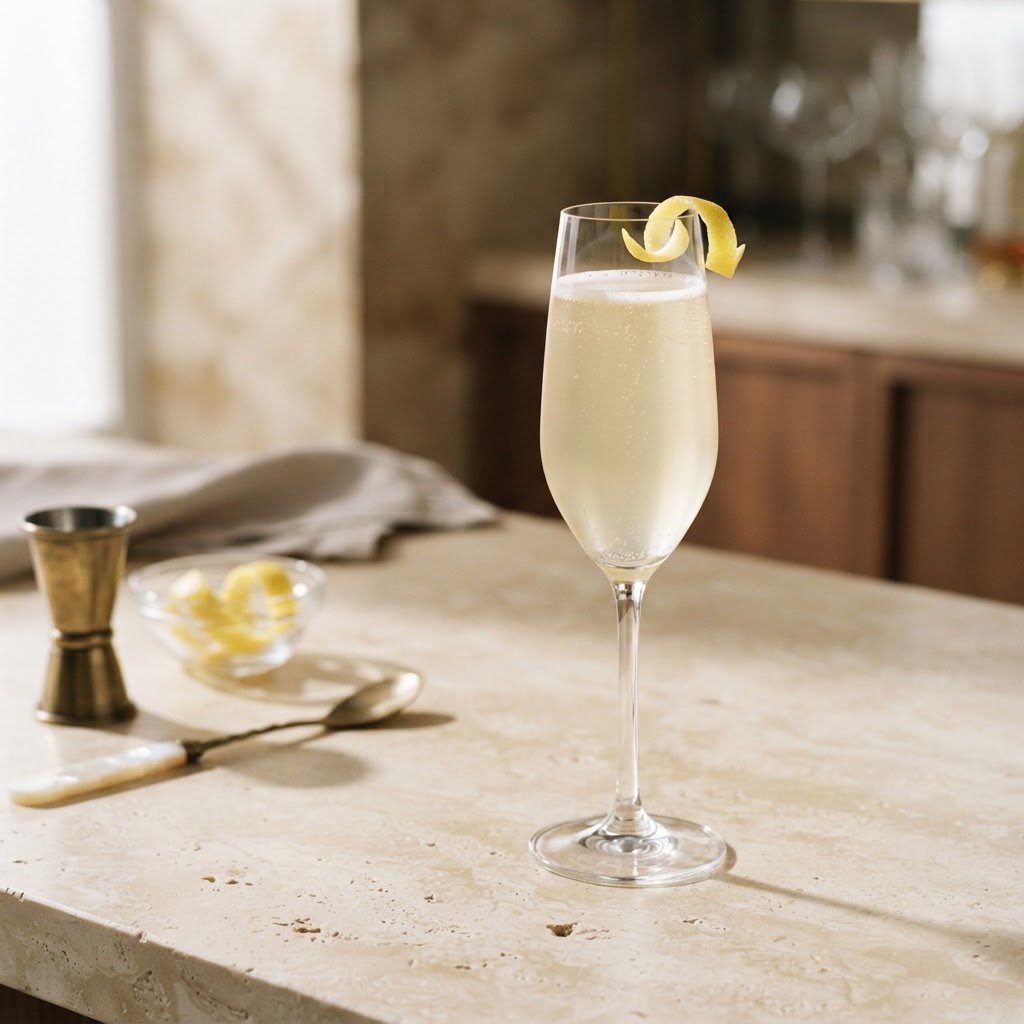
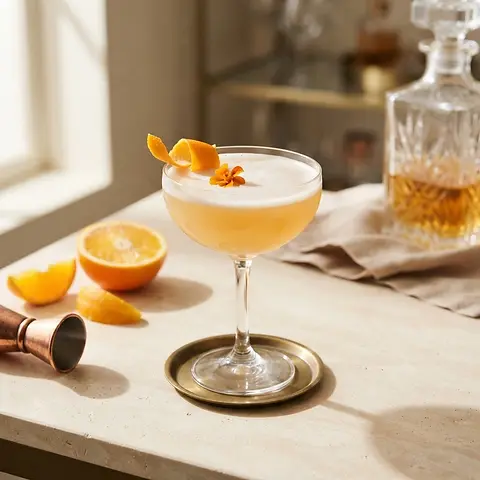
Cocktails connected to France

Classic and strongly associated serves already available in the Sipping Cocktail Maker.

Try it at home

Related Sipping picks

French wine and regional spirits selected from our verified affiliate catalogue: Champagne, Bordeaux, Burgundy, Loire, Rhône, Provence, Alsace, Cognac, Armagnac and Calvados. Confirm vintage, pricing and stock with each retailer.

Whispering Angel Rosé
From this place

Whispering Angel Rosé

A direct route into the pale, dry rosé style associated with Provence.

Cointreau
From this place

Cointreau

French orange liqueur with a long role in classic cocktail culture.

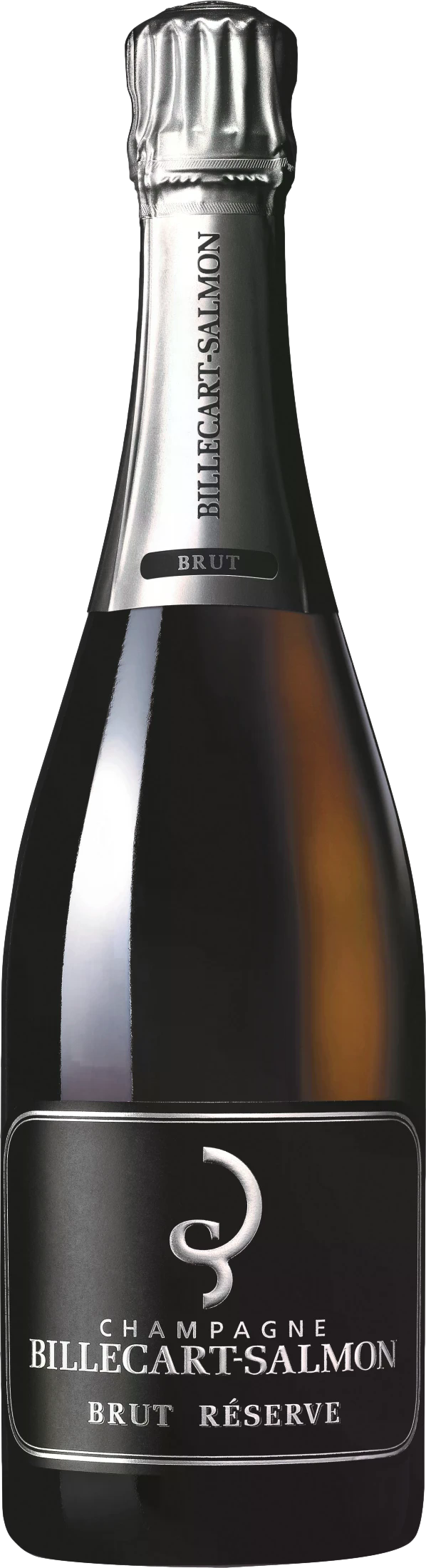
Champagne Billecart-Salmon Reserve Brut
From this place

Champagne Billecart-Salmon Reserve Brut

Classic brut sparkling wine from the Champagne appellation.

Champagne Agrapart Terroirs Blanc de Blancs Grand Cru
From this place

Champagne Agrapart Terroirs Blanc de Blancs Grand Cru

Blanc de Blancs, for exploring Champagne made from white grapes.

Champagne Louis Roederer Collection 246
From this place

Champagne Louis Roederer Collection 246

An introduction to the role of blending in Champagne.

Collet Brut NV Champagne
From this place

Collet Brut NV Champagne

Try a second house style beside a classic brut.

Château Lestrille, Bordeaux Supérieur | Fintry Wines (1x75cl)
From this place

Château Lestrille, Bordeaux Supérieur | Fintry Wines (1x75cl)

A practical way into Bordeaux’s blended-red tradition.

Château du Domaine de l'Eglise, Pomerol | Fintry Wines (1x75cl)
From this place

Château du Domaine de l'Eglise, Pomerol | Fintry Wines (1x75cl)

A right-bank appellation where Merlot commonly plays a major role.

Chateau Villa Bel-Air Blanc
From this place

Chateau Villa Bel-Air Blanc

A reminder that Bordeaux makes whites as well as red wine.

Vieux Chateau Mazerat Saint Emilion Grand Cru
From this place

Vieux Chateau Mazerat Saint Emilion Grand Cru

A more cellar-minded route into right-bank Bordeaux.

Domaine Lavantureux Chablis
From this place

Domaine Lavantureux Chablis

Discover the fresh, dry Chardonnay side of northern Burgundy.

Domaine Oudin Chablis Les Serres
From this place

Domaine Oudin Chablis Les Serres

Compare a second Chablis producer and site.

Chateau des Quarts Pouilly-Fuisse Premier Cru Aux Quarts
From this place

Chateau des Quarts Pouilly-Fuisse Premier Cru Aux Quarts

A fuller southern Burgundy Chardonnay comparison.

Domaine Robert Groffier Bourgogne Pinot Noir
From this place

Domaine Robert Groffier Bourgogne Pinot Noir

A route into Burgundy’s aromatic, site-sensitive red grape.

Domaine Guillerault-Fargette Sancerre Les Panseillots
From this place

Domaine Guillerault-Fargette Sancerre Les Panseillots

A Loire Sauvignon Blanc option, fresh and food-friendly.

Domaine de la Pepiere Muscadet Sevre et Maine Briords
From this place

Domaine de la Pepiere Muscadet Sevre et Maine Briords

A mineral-feeling, dry Melon de Bourgogne from near the Loire estuary.

Clos de l'Epinay Vouvray Sec Chaflorie
From this place

Clos de l'Epinay Vouvray Sec Chaflorie

Vouvray Sec shows dry Loire Chenin; the appellation also makes sweeter styles.

Chateau de Coulaine Chinon Clos de Turpenay
From this place

Chateau de Coulaine Chinon Clos de Turpenay

Chinon offers another red personality beyond Bordeaux.

Chateau de Nalys Chateauneuf du Pape
From this place

Chateau de Nalys Chateauneuf du Pape

Châteauneuf-du-Pape is a richly varied appellation, not a single grape.

La Bastide Saint Dominique Jules Rochebonne Cotes du Rhone 2023
From this place

La Bastide Saint Dominique Jules Rochebonne Cotes du Rhone 2023

A practical red-wine step into the southern Rhône.

Vincent Paris Selection Crozes-Hermitage
From this place

Vincent Paris Selection Crozes-Hermitage

A different, often more peppery red identity from the northern Rhône.

Domaine Charvin Cotes-du-Rhone Blanc
From this place

Domaine Charvin Cotes-du-Rhone Blanc

Explore the less-discussed white side of the Rhône.

Domaines Ott Chateau Romassan Bandol Rosé
From this place

Domaines Ott Chateau Romassan Bandol Rosé

A Provence rosé associated with the coastal Bandol appellation.

Chateau Val d'Arenc Bandol Rose
From this place

Chateau Val d'Arenc Bandol Rose

Another authentic Bandol rosé for discovering regional differences.

Chateau Saint Pierre Eden Cotes de Provence Rose 2025 Rose
From this place

Chateau Saint Pierre Eden Cotes de Provence Rose 2025 Rose

A classic pale Mediterranean rosé from Provence.

Dopff au Moulin Riesling | Fintry Wines (1x75cl)
From this place

Dopff au Moulin Riesling | Fintry Wines (1x75cl)

A regional comparison with the German Riesling journey.

Domaine Zind-Humbrecht Gewurztraminer Grand Cru Hengst
From this place

Domaine Zind-Humbrecht Gewurztraminer Grand Cru Hengst

Explore fragrant, often powerful Alsace white wine; sweetness varies by bottle.

Domaine Leon Boesch Cremant d'Alsace Zero Brut
From this place

Domaine Leon Boesch Cremant d'Alsace Zero Brut

A French sparkling alternative; it is not Champagne.

Domaine Danjou-Banessy Supernova (Orange wine) Roussillon 2025 | Domaine Danjou Banessy Supernova
From this place

Domaine Danjou-Banessy Supernova (Orange wine) Roussillon 2025 | Domaine Danjou Banessy Supernova

A skin-contact white wine expression from France’s Mediterranean south.

Danjou-Banessy Roboul Cotes Du Roussillon Villages 2024 | Danjou Banessy Roboul Cotes
From this place

Danjou-Banessy Roboul Cotes Du Roussillon Villages 2024 | Danjou Banessy Roboul Cotes

Explore the character of the warm Mediterranean south.

Château d'Agel Minervois, 'Caz'Ailes' | Fintry Wines (1x75cl)
From this place

Château d'Agel Minervois, 'Caz'Ailes' | Fintry Wines (1x75cl)

A classic Languedoc appellation and an approachable regional perspective.

Hennessy VS Cognac
From this place

Hennessy VS Cognac

French grape brandy from the protected Cognac region.

Laballe Reserve 4 Year Old Bas Armagnac
From this place

Laballe Reserve 4 Year Old Bas Armagnac

A distinct Gascon grape brandy, not Cognac.

Pierre Huet Fine Calvados
From this place

Pierre Huet Fine Calvados

Normandy’s protected apple-brandy tradition.

Lillet Blanc
From this place

Lillet Blanc

An aromatic Bordeaux-area wine-based aperitif.

Lejay Lagoute Original Creme de Cassis de Dijon
From this place

Lejay Lagoute Original Creme de Cassis de Dijon

Dijon blackcurrant liqueur, traditionally used in a Kir.

Chartreuse Elixir Vegetal de la Grande-Chartreuse Liqueur
From this place

Chartreuse Elixir Vegetal de la Grande-Chartreuse Liqueur

A highly distinctive French herbal preparation; explore responsible serving.

Maxime Trijol Pineau des Charentes Vieux Rouge
From this place

Maxime Trijol Pineau des Charentes Vieux Rouge

A fortified regional speciality of the Cognac area.

Continue the journey

Sparkling Europe

Start in Champagne, then compare European sparkling traditions beyond France.

Explore the trail
Keep discovering

Where will good taste take you next?