Why Chablis is Chardonnay, Bordeaux is often a blend and Champagne can never come from another region. Learn the places, decode the labels and find bottles that suit your own taste.
A French label can be puzzling at first. In much of France the name on the front—Chablis, Sancerre, Margaux, Châteauneuf-du-Pape—is a location or appellation rather than the grape. A little regional knowledge turns a wall of labels into something useful. Chardonnay underpins Chablis; Sauvignon Blanc commonly makes white Sancerre; red Châteauneuf-du-Pape is commonly a blend.
Geographic protection is not the same as a tasting score. The AOC / AOP framework links wines to defined areas and production rules. IGP has a different, generally broader geographic framework, and Vin de France gives makers room to blend or innovate without claiming a narrower appellation. All can offer memorable bottles.
Great French wine is not reserved for collectors. Look for honest regional bottlings, clear styles, fresh vintages where appropriate and wines made to sit with food. Follow the drink rather than an intimidating price tag.
Region by region
Eight ways to understand French wine
These are starting points rather than promises about every producer or vintage. AOC, site and winemaker choices still matter.
01 · Sparkling wine with a protected origin
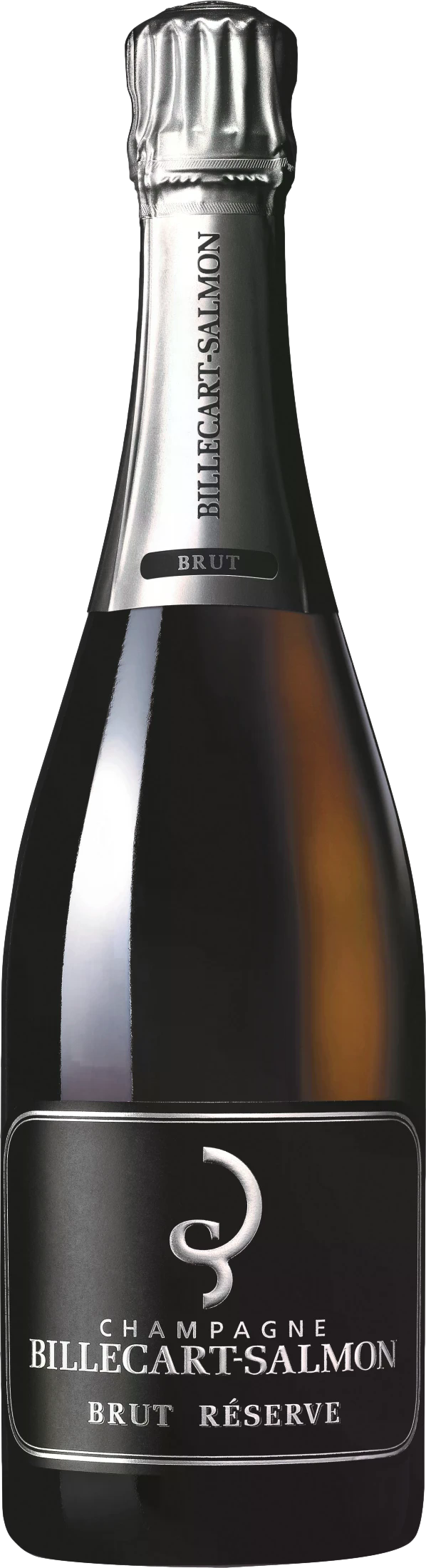
Champagne
Chardonnay · Pinot Noir · Meunier
The second fermentation is traditionally carried out in the bottle. A brut house blend may be a brilliant aperitif; a Blanc de Blancs lets you explore Chardonnay. Crémant made elsewhere in France can also be traditional-method sparkling, but it cannot call itself Champagne.
Try this: Choose a brut non-vintage for versatility or a Blanc de Blancs with seafood.
Left-bank wines often put more emphasis on Cabernet Sauvignon, right-bank wines on Merlot and Cabernet Franc. But appellation, estate and vintage explain more than a tidy rule. Bordeaux also makes dry whites and sweet Sauternes: not all Bordeaux is red.
Try this: For everyday red start with Bordeaux Supérieur; discover Pomerol or Saint-Émilion for a different expression.
03 · The village and vineyard can matter as much as the grape
Burgundy
Pinot Noir · Chardonnay
Chablis is Chardonnay, generally quite unlike a heavily oak-influenced style. Names such as Meursault and Pouilly-Fuissé identify particular places. Burgundy classification attaches importance to individual vineyards and climats, so comparing producers can be unusually enlightening.
Try this: Chablis with shellfish; Bourgogne Pinot Noir with mushrooms; Pouilly-Fuissé with roast poultry.
Chenin Blanc · Sauvignon Blanc · Cabernet Franc · Melon de Bourgogne
Near the Atlantic, Muscadet is made from Melon de Bourgogne. Vouvray’s Chenin Blanc can be dry, sparkling or sweet. Sauvignon Blanc shines in Sancerre and Pouilly-Fumé, while Chinon is a centre for Cabernet Franc reds. The Loire is a lesson in variety rather than one regional taste.
Try this: Muscadet or Sancerre for seafood; dry Vouvray for vegetable dishes; Chinon for a lighter red.
The north and south have different climatic influences and many distinct appellations. Crozes-Hermitage gives one way into Syrah; Côtes du Rhône and Châteauneuf-du-Pape allow blends with particular regional characters. Rhône whites deserve their own attention.
Try this: Try Côtes du Rhône red with a roast, Crozes-Hermitage with grilled lamb, or white Rhône with chicken.
Côtes de Provence and Bandol have their own geographical boundaries and rules. Pale colour does not guarantee better wine. Expect dry rosé styles to work particularly well with fish, tomatoes and herbs. Bandol also has serious reds, sometimes built to age.
Try this: Côtes de Provence for an easy lunch; Bandol to compare a more site-specific rosé.
07 · Aromatic whites with grapes often written on the label
Alsace
Riesling · Gewurztraminer · Pinot Gris · Muscat
Alsace can offer dry, off-dry and sweet white wines; the variety alone will not reliably tell you sweetness. Crémant d’Alsace provides a sparkling alternative. Regional terroirs and Grand Cru vineyard designations deserve attention alongside the grape name.
Try this: Riesling with choucroute; Gewurztraminer with a washed-rind cheese; Crémant as an aperitif.
Grenache · Syrah · Carignan · Malbec · Tannat and local whites
From Minervois and the Roussillon to Cahors and Madiran, the south and south-west offer distinctive, often food-friendly wines. Styles include warm Mediterranean reds, fresh whites, orange/skin-contact expressions and sweet local wines. The appellation should take precedence over the general idea of "southern France".
Try this: Minervois with cassoulet, Roussillon with grilled vegetables, or Cahors with duck.
AOC and IGP tell you about origin and rules, but individual regions use other terms differently. Here are the words most worth learning first.
Label term
Meaning
What it tells you
AOC / AOP
Protected appellation of origin
Geography plus product rules such as varieties and production. AOC is the French designation; AOP is the corresponding EU protection. Not an automatic medal for taste.
IGP
Protected geographical indication
A broader regional origin framework with its own requirements, which can permit different grape combinations or approaches. Not necessarily lower quality.
Vin de France
French wine without a narrower protected origin on the label
Can be creative or excellent. It does not mean the wine lacks a producer or grape identity.
Château / Domaine
An estate or producer term
A château name does not guarantee a literal castle or superior wine. Verify the appellation and producer.
Premier Cru / Grand Cru
Classification terms whose meanings vary by region
Burgundy vineyard classifications, Champagne village terms and other regional systems are not interchangeable.
Brut / Extra Brut
Sparkling-wine dosage / sweetness categories
Extra Brut permits less residual sugar than Brut; the difference is not an automatic measure of quality.
Blanc de Blancs / Blanc de Noirs
Sparkling wine made from white / black grapes
Both may look pale in the glass. Champagne commonly uses Chardonnay, Pinot Noir and Meunier.
Vieilles Vignes
Old vines
A commonly used statement whose precise age threshold is not one universal French wine law. Ask the estate for details.
Grand Cru doesn't mean the same thing everywhere.
Burgundy classifications attach significance to particular vineyard sites. Other French regions use village classifications or different systems. The famous Bordeaux 1855 classification is yet another case. Compare the local rules, not only the wording.
Real products, a better starting point
What takes your fancy?
Choose a style, then narrow to a region if you like. Every displayed bottle is checked against a Sipping product record with an approved, usable image. Your retailer confirms current price, availability and the delivered vintage.
Start with a region or browse a little of everything.
This is a hand-curated affiliate selection, not a live inventory feed. No prices or stock statuses are invented, and products without approved images are never displayed. Sipping may earn commission on qualifying independent retailer purchases.
From the cellar to the table
French wine is at home with food
Oysters or mussels
Muscadet or Chablis
Freshness and acidity suit saline, delicate shellfish.
Croque monsieur or gougères
Brut Champagne or Crémant d’Alsace
Acidity and bubbles give lift to buttery, savoury food.
Roast chicken and mushrooms
White Burgundy or lighter red Pinot Noir
Keep texture and oak balanced with the dish.
Goats’ cheese and herbs
Sancerre Sauvignon Blanc
Citrus and herbal notes echo tangy cheese and greens.
Lamb, steak or slow-cooked beef
Bordeaux or Syrah-led Rhône red
Structure can stand up to rich meat and charred flavour.
Tomato tart, grilled fish or ratatouille
Dry Provence rosé
Mediterranean flavours make an inviting regional match.
Choucroute or washed-rind cheese
Alsace Riesling or Gewurztraminer
Check actual sweetness if the dish is spicy or strongly flavoured.
Roquefort or blue cheese
A verified sweet wine, such as Sauternes
Sweetness and acidity balance salt and intense cheese. Confirm the bottle is sweet.
What is the difference between Bordeaux and Burgundy?
Bordeaux is associated with blends featuring Merlot, Cabernet Sauvignon and Cabernet Franc, alongside white wines. Burgundy emphasises Pinot Noir and Chardonnay, with a strong focus on individual vineyard sites. Neither is one uniform style or price level.
Does French wine always have the grape on the label?
No. Many traditional French labels foreground the appellation, which indicates geography and permitted varieties. Alsace often does name the grape; Vin de France and some IGP wines may do so as well.
Does AOC mean expensive or automatically better?
No. AOC or AOP protects origin and production specifications. It is not a numerical wine score, a guarantee of quality or a promise of a price band.
What is the difference between Champagne and Crémant?
Both can use the traditional method, including a second fermentation in the bottle. Champagne is protected for its own region; Crémant labels relate to other defined regions and rules.
Is Chablis actually Chardonnay?
Yes. Chablis is a Burgundy wine region whose classic still white wine is made from Chardonnay. Its typically brisk style is not a different grape.
Is rosé always sweet?
No. Most classic Provence rosé is dry. Colour alone does not tell you how sweet a rosé will taste.
Which French red wine should a beginner try?
For lighter styles, consider a Beaujolais cru or Loire Cabernet Franc; for structured styles, try an accessible Bordeaux Supérieur or Côtes du Rhône. The best choice depends on your food and preference.
Can I trust the pictured bottle’s vintage?
Always check the retailer details. Our editorial selection filters for approved product images and avoids known mismatches in the supplier feed, but stock, pricing and vintage can change after publication.
Sources & related reading
This guide is grounded in French agriculture and INAO explanations of wine regions and appellations. It distinguishes production rules, classic tendencies and individual producer choices. Product availability, vintages and prices must be checked at the retailer.
Essential storage keeps Sipping working. Optional Google Analytics helps us understand what people find useful, but stays off unless you choose it. You can change this choice at any time.