A tale of two riverbanks, great blends, dry whites and golden Sauternes
Explore seven stories of Bordeaux, from Médoc Cabernet and Right Bank Merlot to Pessac-Léognan, Bordeaux Supérieur, Sauternes, the wine-trading city and Lillet aperitifs, with food pairings and genuine partner bottles.
Same place · two views
You are in the experience view. Switch to the Atlas to understand the coffee behind the place.
A river is a more useful compass than a château name. Follow the Gironde, Garonne and Dordogne to discover Cabernet-led wines on the Left Bank, Merlot and Cabernet Franc on the Right Bank, thoughtful dry whites, Sauternes and the city’s extraordinary café and wine culture. This is Bordeaux beyond prestige—and with real bottles to discover.
The Left/Right Bank distinction is a useful shortcut, but not a universal recipe. Individual soils, blends and producers shape the wine. The best first Bordeaux is not necessarily the wine with the most celebrated château; it is the bottle that fits your preference and budget.
The Médoc: Cabernet, gravel and the famous Left Bank
The Gironde estuary runs beside the peninsula of the Médoc. Gravelly soils in many prized sites help with drainage and warmth, giving Cabernet Sauvignon an important role in many Left Bank blends. Merlot also matters, and proportions change from château to château. Margaux and Pauillac are appellations, not recipes or guarantees that every vintage tastes alike.
The famous 1855 ranking covers classified Médoc reds plus Château Haut-Brion from Graves. It is not a price list for all Bordeaux, and an unclassified Haut-Médoc can be wonderful. For a practical comparison, choose a well-documented Cru Bourgeois or a village wine rather than assuming every first growth offers value.
Roast lamb, steak with herbs, mushrooms, firm aged cheese.
Cross eastwards over the Dordogne and the landscape changes: limestone plateaux, slopes and clay-rich pockets help shape an area where Merlot and Cabernet Franc frequently take leading roles. Pomerol is small and famously unclassified; Saint-Émilion has a separate periodically revised classification. The celebrated estates sit alongside many approachable château wines.
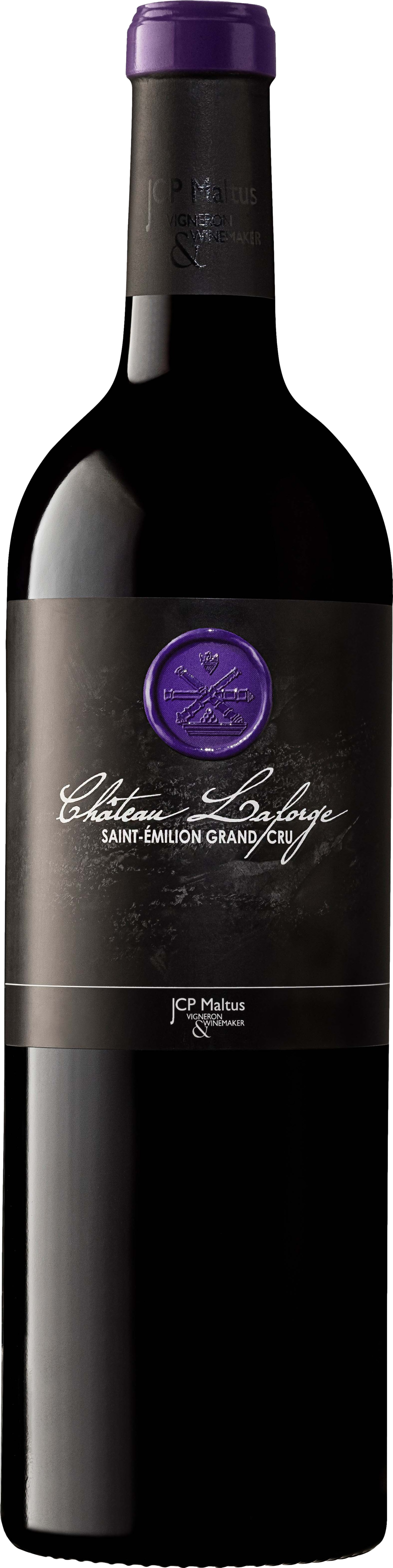
Saint-Émilion Grand Cru AOC is an appellation name, not automatically a Grand Cru Classé estate. That single distinction can save a buyer considerable confusion. If choosing a younger Right Bank wine for dinner, look at the producer and vintage rather than the grandness of a label.
Duck confit, beef, lentil stew, mushrooms or ripe Brie.
South of Bordeaux, the Graves region has long produced both reds and whites. Pessac-Léognan, created as a separate appellation in the late twentieth century, is known for serious dry whites as well as reds, with Sauvignon Blanc and Sémillon forming the heart of many white blends. Oak may feature in some whites, but should not be assumed.
The Graves classified-growth list has its own history and differs from the 1855 classification. Château Haut-Brion is famously included in the 1855 red-wine list despite being outside the Médoc. Remember that a château name and an appellation are different kinds of information.
Roast chicken with herbs, sea bass, buttered fish and seafood for the dry whites.
Bordeaux Supérieur, Entre-Deux-Mers and the everyday table
Bordeaux should never be reduced to grand châteaux and investment bottles. Regional Bordeaux and Bordeaux Supérieur reds, and wines from the Côtes de Bordeaux, can be excellent companions for a meal. Entre-Deux-Mers lies between the Garonne and Dordogne rivers and its AOC is associated with dry white wine; other wines grown within the geographic area may use different appellation names.
The useful buying question is how much wine you want for your dinner, not how impressive a château looks on a table. Check seller provenance, vintage, delivery cost and bottle size. A modest wine that suits roast vegetables or a midweek stew is no consolation prize.
Burgers, roast vegetables, lentils, lamb chops and French bistro food.
Sauternes and Barsac: the patient magic of noble rot
South of Bordeaux, misty mornings and drier afternoons can encourage beneficial noble rot on suitable grapes. Botrytis cinerea helps concentrate sugars and flavours when the conditions are right. The winemaker may make several selective passes through the vineyard to pick fruit at the desired stage. That makes production costly, uncertain and often small.
Sauternes and Barsac are protected sweet-wine origins, not simply sweet versions of any dry Bordeaux. A half-bottle can be a brilliant first purchase. Do not mistake a Sauternes-finished whisky for Sauternes wine. Pair the acidity and sweetness with blue cheese or fruit desserts—and consider savoury foie gras only according to your own preferences.
Roquefort, blue cheese, apricot tart or poached pears. Match the sweetness to the food.
Port of the Moon · La Cité du Vin · Chartrons · Marché des Capucins
Wine culture, history and local food
Bordeaux city: markets, merchants and the wine trade
The city of Bordeaux is more than a vineyard gateway. River trade helped turn local wine into a world-famous export, with merchants and négociants historically important to blending, distribution and en-primeur commerce. The UNESCO-listed Port of the Moon describes the city’s historic urban ensemble; it is not an endorsement of any particular bottle.
A day in Bordeaux might pair a morning market visit and café with the Quays, the Chartrons wine-merchant district and the wine-focused exhibitions of La Cité du Vin. Further afield, the beautiful medieval town and surrounding vineyard landscape of Saint-Émilion form another UNESCO-listed area. Experiences and winery visits should always be checked for current booking details.
Canelés with coffee, oysters from the Atlantic coast, entrecôte à la bordelaise.
Beyond the château: Lillet, local aperitifs and quiet rituals
Lillet is a wine-based aperitif made in the Bordeaux area, traditionally associated with Podensac. Serve it chilled or use it in a mixed drink, but do not classify the bottle as a still Bordeaux AOC white or red. The regional drinks story extends beyond the grapes sold under the most famous appellations.
The simplest alcohol-free Bordeaux ritual may be the best of all: a strong coffee alongside the city’s caramelised, custardy canelés. The flavours of vanilla, browned sugar and rum traditionally associated with the pastry can also inspire a non-alcoholic dessert pairing without a bottle of wine.
Olives, light canapés or coffee with canelés; an alcohol-free aperitif is also welcome.
The 1855, Graves and Saint-Émilion classification systems are different. None means that all other wines are poor. Appellation, château, blend, age and retailer provenance are separate clues.
Regional Bordeaux
AOP Bordeaux or Bordeaux Supérieur can be useful starting points; prices and quality vary by grower.
Médoc / Haut-Médoc / Pauillac / Margaux
Left Bank AOCs: producers commonly blend Cabernet Sauvignon and Merlot, among permitted varieties.
Saint-Émilion Grand Cru
An appellation; not the same thing as Saint-Émilion Grand Cru Classé, a separate classification.
Pomerol
A Right Bank AOC with no official château classification; Merlot is often important.
Cru Bourgeois du Médoc
A separate classification process for eligible Médoc estates, not a tier of the 1855 ranking.
Grand Cru Classé en 1855
Historically classified Médoc reds (plus Haut-Brion) and Sauternes/Barsac sweet whites.
Crus Classés de Graves
A separate list of classified wines from the Graves area, today associated with Pessac-Léognan.
Sec / dry white
Look for dry Bordeaux whites: not all Bordeaux is a red blend.
Sauternes / Barsac
Sweet protected wine from defined south-Bordeaux appellations, often with noble rot.
Taste these ideas on separate occasions, not as a drinking challenge. Food, coffee and alcohol-free options belong in the journey too.
01 · First
An approachable Bordeaux Supérieur red beside roast vegetables or lamb.
02 · Another day
A Left Bank Cabernet-influenced wine beside dinner; compare its structure with the first.
03 · Later
A Merlot- and Cabernet Franc-influenced Right Bank wine, with mushrooms or duck.
04 · A white-wine meal
A dry white Bordeaux with fish or herb-roasted vegetables.
05 · A separate dessert
A small pour of Sauternes with blue cheese or fruit—or coffee with canelés.
The sweet side of the story
Sauternes is more than a dessert wine.
Botrytis, selective harvesting, concentrated grapes and balancing acidity make Sauternes one of Bordeaux’s fascinating wines. It can suit savoury blue cheese or food with an interplay of salt and sweetness; a small half-bottle is often a sensible way to start. Our catalogue currently supports one specifically verified Sauternes wine—rather than filling the section with unrelated Sauternes-cask spirits.
The official Bordeaux wine council describes appellations, classifications and the diversity of the Gironde region. In particular, the 1855 list covers the Médoc red châteaux (plus Haut-Brion) and Sauternes/Barsac sweet whites, not a universal ranking of every Bordeaux wine. Editorial photos of the Saint-Émilion vineyards, grapes and an unnamed Bordeaux château are credited to Grant Van Cleemput, Maxence Pira and Árpád Czapp respectively (Unsplash); the Château image does not imply a classified estate. Our product rail shows only previously verified catalogue products with permitted images; always confirm final vintage, price and availability with the retailer.
Verified Bordeaux reds from both riverbanks, Bordeaux Supérieur, dry white and Sauternes wines, plus clearly separate Lillet aperitifs. Retailer terms, final vintage, price and stock must be confirmed with each retailer.
Essential storage keeps Sipping working. Optional Google Analytics helps us understand what people find useful, but stays off unless you choose it. You can change this choice at any time.