Sip France
France

Sip Rhône Valley

Syrah on granite slopes, Grenache under southern skies

Follow France’s Rhône from Côte-Rôtie, Condrieu and Hermitage to Gigondas, Vacqueyras and Châteauneuf-du-Pape. Explore northern and southern wine cultures, food pairings and genuine partner bottles.

Sip the World · Rhône Valley, France

The Rhône: one river, two very different wine worlds.

Follow the river from Syrah and Viognier on the northern terraces to Grenache, ancient villages and Mediterranean sun. A journey through grapes, geography, everyday food and bottles that really belong here.

Vineyards in southern France, illustrating the Rhône's southern landscapes

A crucial difference

Northern Syrah. Southern blends.

The northern crus lie along a relatively narrow valley. The south opens into a broader Mediterranean landscape where Grenache frequently leads. Hermitage and Crozes-Hermitage are not interchangeable; Châteauneuf-du-Pape is not the whole Southern Rhône; and not all Rhône wine is red.

Choose by taste, style and origin
01

Vienne · Ampuis · Condrieu

Syrah · Viognier

Côte-Rôtie and Condrieu: steep and beautifully different

Just south of Lyon and Vienne, the river squeezes between hillsides where growing grapes can be demanding and terraces are part of the view. Côte-Rôtie is a red-wine appellation led by Syrah; a proportion of Viognier may be co-fermented under its rules. It does not follow that every bottle contains Viognier.

Nearby Condrieu is devoted to white Viognier. Its aromatic character can suggest apricot, blossom and ripe stone fruit, yet the best examples also need balance and freshness. A bottle from Condrieu is not the same as a generic Viognier from elsewhere.

Côte-Rôtie with roast duck or mushrooms; Condrieu with fragrant chicken or ginger-spiced prawns.

Explore Rhône wines
02

Saint-Joseph · Cornas · Saint-Péray

Syrah · Marsanne · Roussanne

Saint-Joseph, Cornas and Saint-Péray: the west bank

Saint-Joseph follows a long run of Northern Rhône vineyards, yielding red Syrah as well as whites made from permitted Marsanne and Roussanne. Geography matters here: not every parcel is steep, and labels from this extensive appellation deserve individual attention.

Cornas is an appellation for red Syrah with a reputation for firm, characterful wines. Saint-Péray, close to Valence, focuses on white wines, both still and sparkling. We cover these places even where our approved catalogue does not currently offer a suitable bottle.

Syrah with slow-cooked beef or lentils; a Saint-Péray white with fish or vegetable gratin.

Explore Rhône wines
03

Tain-l’Hermitage · Tournon-sur-Rhône

Syrah · Marsanne · Roussanne

Hermitage and Crozes-Hermitage: one name, two scales

The hill of Hermitage rises above Tain-l’Hermitage and has a wine identity much more specific than the wide vineyards of Crozes-Hermitage around it. Both appellations can produce red Syrah and permitted white styles; they are not interchangeable grades of the same wine.

Crozes-Hermitage can be a particularly approachable introduction to Northern Rhône Syrah, though quality, price and ageing potential differ by estate and site. White Crozes-Hermitage is worth exploring too: check each producer’s blend before attributing a grape to a bottle.

Red Crozes-Hermitage with roast lamb or mushrooms; white with roast poultry and herbs.

Explore Rhône wines
04

From the river south towards Orange

Grenache · Syrah · Mourvèdre and other permitted grapes

Côtes du Rhône: the everyday pleasures

As the Rhône moves towards the Mediterranean, Grenache becomes central to many blends, accompanied frequently by Syrah, Mourvèdre and other local varieties. The broad Côtes du Rhône AOC offers red, white and rosé wine, with real diversity behind a familiar label.

Côtes du Rhône Villages has its own rules, and certain villages may put their geographical names on labels. Do not confuse the regional AOC, Villages and an individual cru: a grander-sounding label is not an automatic guarantee of pleasure or value. A good everyday Rhône can often be the wine to open with supper.

A Grenache-led red with sausages, roasted aubergines or tomato-rich vegetables.

Explore Rhône wines
05

Châteauneuf-du-Pape · Orange · Avignon

Grenache-led red blends and permitted white varieties

Châteauneuf-du-Pape: much more than a famous red

Châteauneuf-du-Pape takes its name from the village north of Avignon and the history of the Avignon papacy. Rounded stones, or galets roulés, appear in some celebrated vineyards, but there are also sandy, limestone and other soils. Not every vineyard is carpeted in stones.

The AOC allows an extensive palette of authorised grape varieties, commonly spoken of as thirteen traditional varieties, with colour variants and the modern official list needing careful distinction. Some producers make Grenache-rich reds, others more complex blends, and the appellation also produces white wine. We present both, rather than letting the red label tell the entire story.

Red with lamb, grilled peppers or a Provençal stew; white with roast fish or herbs.

Explore Rhône wines
06

Gigondas · Vacqueyras · Dentelles de Montmirail

Southern Rhône red blends, often Grenache-led

Gigondas and Vacqueyras: beneath the Dentelles

The rocky ridges of the Dentelles de Montmirail create a dramatic backdrop for the villages of Gigondas and Vacqueyras. Both are recognised crus, not simply Côtes du Rhône Villages labels. Grenache, Syrah and Mourvèdre play important roles, but altitude, vineyard orientation and producer choices change the experience.

Gigondas also has an appellation framework for white wine, while Vacqueyras can make reds, whites and rosés under its rules. A shopper seeking a southern Rhône red should compare these names with Châteauneuf-du-Pape rather than assuming the most famous must be the best buy.

Gigondas with slow-roast shoulder of lamb; Vacqueyras with pork, mushrooms or ratatouille.

Explore Rhône wines
07

Tavel · Lirac · Beaumes-de-Venise

Viognier · Marsanne · Roussanne · Grenache and more

A valley with white wine, rosé and sweet traditions

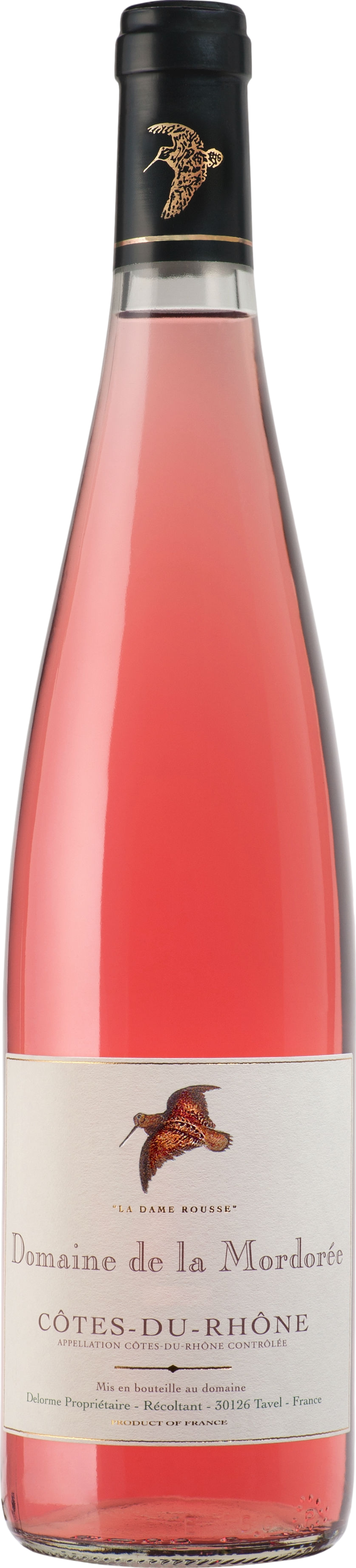
Tavel is a southern Rhône cru associated with rosé, often with more colour and savoury weight than the pale Provençal stereotype. Lirac makes more than one colour. Elsewhere, Marsanne and Roussanne show that Rhône whites can be generous, aromatic and food-friendly.

Muscat de Beaumes-de-Venise is known for its naturally sweet fortified wine; it should not be confused with a dry white Viognier or a generic dessert wine. We include these important regional styles editorially, even if no compliant bottle image is available for a particular AOC.

Rhône rosé with grilled prawns; textured Rhône white with chicken; sweet Muscat with fruit desserts.

Explore Rhône wines
08

Lyon · Vienne · Tain · Orange · Avignon

Markets, food traditions and alcohol-free discoveries

The Rhône beyond the glass: food, wind and river life

Lyon’s bouchons, market stalls, river quays and rich food culture make a natural beginning for a journey south. Along the Rhône, the Mistral wind shapes farming life and the feel of a day outside. In Avignon, papal history and old streets give Châteauneuf its cultural context.

A Rhône visit need not be a succession of tastings. Try regional olives, goat cheese, lentils, seasonal vegetables and pastries; take in the terraces and riverside towns. Local grape juice, sparkling water, coffee and herbal infusions make good company for a slow afternoon. Check winery appointments and transport schedules in advance.

Picodon goat cheese, tapenade, roast vegetables, bread, seasonal fruit and a good coffee.

Explore Rhône wines

Decode the appellation

Rhône labels, explained

Appellation tells you where and under what rules a wine was made—not what you must enjoy, what it costs, or whether it is currently in stock.

Northern Rhône

Steeper vineyards and cooler influences, with Syrah central to most red wines.

Southern Rhône

More Mediterranean in character, with Grenache often prominent in red blends.

Côte-Rôtie

Northern Rhône red-wine AOC led by Syrah; Viognier can be permitted in the blend.

Condrieu

Northern Rhône white-wine AOC made from Viognier.

Hermitage / Crozes-Hermitage

Separate appellations; the smaller Hermitage hill must not be confused with larger Crozes-Hermitage.

Côtes du Rhône

Broad regional AOC, distinct from Côtes du Rhône Villages and individual crus.

Cru

An individual recognised appellation such as Gigondas, Vacqueyras or Châteauneuf-du-Pape.

Galets roulés

Rounded stones associated with some southern vineyards, not a universal Rhône soil.

Mistral

A powerful regional wind; one part of the climate story, not a wine-quality score.

A wine journey, not a drinking schedule

Five stops following the Rhône

01 / Rhône

Vienne and Ampuis

Begin among Northern Rhône slopes, Côte-Rôtie and Condrieu.

02 / Rhône

Tournon and Tain-l’Hermitage

Look at the Hermitage hill, then compare Crozes-Hermitage.

03 / Rhône

Valence and the Drôme

Explore markets, local food and the landscape between the wine districts.

04 / Rhône

Gigondas and Vacqueyras

Meet southern crus beneath the Dentelles de Montmirail.

05 / Rhône

Châteauneuf and Avignon

Finish with historic villages, Rhône blends and papal architecture.

The Sipping approach

Real regions. Real bottles.

Sipping currently has approved-image partner records from Côte-Rôtie, Condrieu, Saint-Joseph, Crozes-Hermitage, Côtes du Rhône, Gigondas, Vacqueyras and Châteauneuf-du-Pape. Stock, price and shipped vintages remain the retailer's decision. For other appellations, the story stays available without pretending we have a bottle.

Find your Rhône wine

Official wine-region research

Regional context and appellation distinctions draw on Inter Rhône and official Rhône wine tourism information. The same river passes through separate AOCs with different rules. Generic editorial landscape imagery is not represented as photography of a named cru.

Try it at home

Related Sipping picks

Explore products that offer a useful way into the drinks, flavours and styles connected with this place.

Keep discovering

Where will good taste take you next?