Chablis Chardonnay, Côte d’Or Pinot Noir and the villages that changed wine
Follow Burgundy from the chalky slopes of Chablis through Dijon, the Côte de Nuits and Beaune to the Mâconnais, with genuine Chardonnay, Pinot Noir, Crémant and neighbouring Beaujolais discoveries.
Destination in depth · Burgundy
In Burgundy, the next vineyard can change everything.
Follow a strip of vineyards through France where wine labels often give you a village before they give you a grape. Chablis, the Côte de Nuits, Beaune and the Mâconnais tell very different stories of Chardonnay and Pinot Noir. This is a journey about people, parcels, food—and knowing when a humbler bottle will make you happier than a famous name.
Chablis is a northern outpost. Beyond Dijon, the Côte d’Or is a mosaic of named climats. Then come the less intimidating villages of the Côte Chalonnaise and the sunward slopes of the Mâconnais. We treat Beaujolais as a neighbouring journey, not a Burgundy AOC.
The climats of the Côte de Nuits and Côte de Beaune were inscribed on UNESCO’s World Heritage List in 2015; the listing is for a precisely defined cultural landscape, not for every winery in all of Burgundy.
01Chablis & Grand Auxerrois
Chablis · Petit Chablis · Premier Cru · Grand Cru
Chardonnay with a cooler accent
Chardonnay
Chablis sits well north of Beaune, near Auxerre. Its dry whites often feel brisk, citrus-led and precise, sometimes with a salty or chalky impression. That difference is not because Chablis is a new grape: Chablis is Chardonnay, grown in another setting. Four appellation levels matter: Petit Chablis, Chablis, Chablis Premier Cru and Chablis Grand Cru. Oak use and ripeness still vary by producer.
Oysters, shellfish, river fish, Comté or a goat’s cheese.
Drive south from Dijon and vineyard names seem to change every few hundred metres. The Côte de Nuits is central to some of Burgundy’s best-known reds, but its Pinot Noir can be delicate and floral or firm and ageworthy according to village, plot and vintage. Premier Cru and Grand Cru refer to tightly specified origins. None of those words can tell you whether the wine is ready to drink, a good value or suited to your dinner.
Duck, mushrooms, roast poultry, beef bourguignon or lentils.
South of the celebrated city of Beaune, the wines take another turn. Meursault, Puligny-Montrachet and Chassagne-Montrachet are famous white Burgundy names, yet their differences depend on the vineyard, maker and use of oak, not a simple rule. Meursault may be broad and nutty, Puligny finer and more restrained—but both can surprise. This area also makes distinguished reds, including elegant Volnay and more structured Pommard.
Roast chicken with herbs, creamy mushrooms, fish in butter sauce; Pinot with duck.
The Côte Chalonnaise is a powerful lesson in buying by taste rather than status. Rully makes whites and reds; Mercurey is strongly associated with Pinot Noir; Montagny specialises in whites. These villages often give curious drinkers a way into Burgundy’s regional character without assuming they must pay for the most famous Côte d’Or names. Compare equivalent vintages and retailer prices before deciding what counts as good value.
Chicken with mustard, charcuterie, goat’s cheese and roasted vegetables.
As the hills soften towards Mâcon, growing conditions are generally warmer and the landscape more open. Chardonnay makes fresh everyday wines as well as layered bottles from Pouilly-Fuissé Premier Cru sites. Mâcon-Villages and village-labelled Mâconnais wines can make a rewarding starting point before moving to more site-specific bottlings. This is one place where it is especially worth comparing a modest bottle with a far more costly Côte de Beaune wine.
Grilled fish, roast chicken, creamy cheese, quenelles or vegetable tarts.
Aligoté, Chardonnay, Pinot Noir and other permitted grapes
Aligoté is a lively white grape often associated with a crisp, food-friendly profile. Crémant de Bourgogne is traditional-method sparkling wine made under its own protected rules; it is not Champagne. The classic Kir adds crème de cassis to white wine, traditionally Aligoté. A genuinely useful introduction to the region should include these everyday styles, not only the grand crus.
Gougères, cheese straws, oysters or a classic Burgundian apéritif.
Classification is about geographic origin and production rules. It is a starting point for understanding Burgundy, not a shortcut around the producer, vintage, price or your own palate.
Bourgogne / Regional AOC
A broad regional designation, often a sensible introduction to a producer’s style.
Village
Names a specific village appellation such as Meursault or Gevrey-Chambertin.
Premier Cru
A recognised classified vineyard/climat within a village appellation. It is not a national score for taste.
Grand Cru
A separate AOC reserved for particular vineyard sites; a recognised origin, not a guarantee of a bargain or your preference.
Climat
A historically named, precisely delimited vineyard parcel; not simply the weather or climate.
Lieux-dit
A place-name used locally; it need not be classified as Premier Cru.
Monopole
A named vineyard held by one owner; it is an ownership fact, not a quality grade.
Vieilles Vignes
Old vines, but no single universal minimum age is implied by the words alone.
A suggested route across different days, not a drinking itinerary or a promise about winery opening times. Check visits and transport locally.
01 / Burgundy
Chablis
Start with the real meaning of crisp, dry Chardonnay.
02 / Burgundy
Dijon to Gevrey
Meet the Côte de Nuits Pinot Noir villages and their famous vineyard sites.
03 / Burgundy
Beaune
Discover the historic wine city and the Hôtel-Dieu of the Hospices de Beaune.
04 / Burgundy
Puligny & Meursault
Compare fine whites, a village example and a carefully chosen Premier Cru.
05 / Burgundy
Mâconnais
End with Chardonnay suited to real meals and more modest budgets.
A neighbouring detour, not a merged appellation
Beaujolais deserves its own glass.
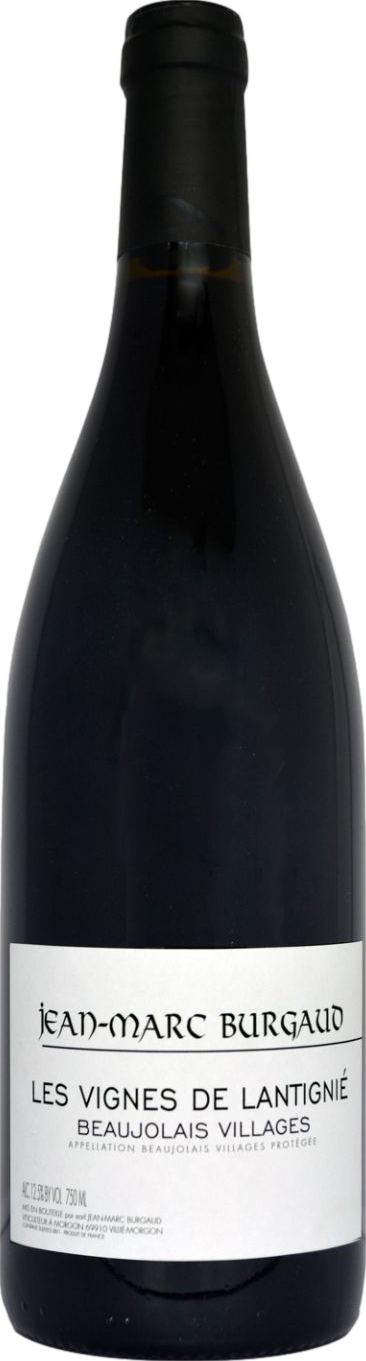
Head south towards Beaujolais and the grape becomes Gamay, with distinctive crus such as Fleurie, Morgon and Moulin-à-Vent. Although geographically close and historically connected, Beaujolais has its own appellation identity and wine organisations. We keep its bottles clearly labelled as a neighbouring region rather than describing them as Burgundy Pinot Noir.
Regional descriptions and AOC distinctions are grounded in Bourgogne Wines (BIVB) and UNESCO’s defined Côte d’Or climats landscape. For commercial products, Sipping uses pre-verified catalogue records and excludes bottle imagery whose filename clearly conflicts with the retailer-listed vintage. Final price, delivery, stock and actual bottle vintage must be confirmed with the seller.
Essential storage keeps Sipping working. Optional Google Analytics helps us understand what people find useful, but stays off unless you choose it. You can change this choice at any time.