Chardonnay
Often associated with freshness, citrus, flowers and precise acidity. Essential to many Blanc de Blancs.

Sipping deep dive · Champagne, France
From chalky vineyards and cellar patience to growers, great houses and the right bottle for your table. Discover the Champagne worth knowing—not simply the Champagne worth showing off.
Find your ChampagneA place, a wine, a process
All genuine Champagne originates in the legally delimited Champagne appellation in northeastern France and follows its winemaking rules. The finest stories happen long before the cork leaves the bottle: growers choose vineyards and picking dates, cellars preserve or soften acidity, winemakers assemble blends and the wine begins its second fermentation inside the very bottle that reaches your table.
The three principal grapes are Chardonnay, Pinot Noir and Meunier. The same variety may show different characteristics between villages and vintages. Some cuvées seek an enduring house style, others aim to showcase a particular harvest or parcel. An expensive bottle is not necessarily more satisfying than a thoughtfully chosen non-vintage Brut.
A glass of Champagne can be as appropriate beside gougères or good fish and chips as at a wedding. Start with its origin, grapes, dosage, producer and format. Those are better buying clues than a celebrity endorsement.
Often associated with freshness, citrus, flowers and precise acidity. Essential to many Blanc de Blancs.
Frequently contributes body, structure and fruit depth. Important in Montagne de Reims and Côte des Bar.
Can give approachable fruit and roundness. Especially prominent in parts of the Vallée de la Marne.
Beyond the famous avenue
The Champagne appellation spans distinct vineyard areas. These are helpful regional tendencies, not guaranteed tasting notes for every grower.

01 · The Pinot Noir heartland
Reims, Verzenay, Bouzy, Ambonnay
Wooded slopes and famous villages surround Reims. Pinot Noir is especially important, although vineyard, exposition and grower matter as much as a broad regional shorthand. Bouzy and Ambonnay are useful names to notice when exploring more structured wines.
In the glass: Try a Pinot Noir-led or Blanc de Noirs cuvée and compare it with a Chardonnay-led Champagne.
02 · A winding river and Meunier
Aÿ, Mareuil-sur-Aÿ, Cumières and villages westward
The valley follows the river west from Épernay. Pinot Noir is prominent in its eastern reaches, while Meunier becomes particularly important farther west. The landscape is varied and it would be misleading to expect every valley Champagne to taste alike.
In the glass: Compare a Meunier-influenced blend with a Pinot Noir-led wine; look for fruit and texture, not a fixed formula.
03 · The Chardonnay address
Avize, Cramant, Le Mesnil-sur-Oger, Oger
The slopes south of Épernay are celebrated for Chardonnay, with chalk-rich vineyard sites and many renowned Blanc de Blancs cuvées. The name indicates a place, not a promise that every producer makes a particular flavour.
In the glass: Choose a Blanc de Blancs alongside oysters, scallops or a delicate seafood dish.
04 · The Aube, not an afterthought
Bar-sur-Seine, Bar-sur-Aube, Les Riceys
Farther south in the Aube, Côte des Bar is important Pinot Noir territory, with a different landscape and geology from the core Marne vineyards. It is especially interesting for finding distinct grower perspectives beyond the famous house addresses.
In the glass: Compare a Côte des Bar Pinot Noir-led bottling with a Montagne de Reims example.
Photograph: the Verzenay vineyards are in Montagne de Reims. The Côte des Blancs, Marne Valley and Côte des Bar chapters use editorial text rather than photographs from the wrong region.
From grape to the glass
 Champagne cellar, Reims · photographed by Yohan Marion
Time on lees
15 months minimum
Champagne must spend at least 15 months in the producer’s cellar before release, with a minimum of three years for vintage Champagne. Many producers mature their wines for longer. The extra time can encourage flavours of brioche, toast and nuts as the wine develops.
Worth knowing: A vintage is a single harvest year, not a formal score saying “better than non-vintage”.
01 / Making Champagne
Site, rainfall, ripeness and picking decisions determine the raw material. In Champagne, the famous chalky soils influence water availability and vine conditions.
02 / Making Champagne
Grapes are pressed under protected-appellation rules; producers may keep different press fractions and villages separate.
03 / Making Champagne
Alcoholic fermentation makes still wine. Some makers also allow malolactic fermentation to soften acidity; others do not.
04 / Making Champagne
A non-vintage cuvée may combine vineyards, grapes and reserve wines from past years to shape a consistent house expression. Vintage Champagne uses grapes from a single harvest.
05 / Making Champagne
After tirage (yeast and sugar are added), a second fermentation creates carbon dioxide that becomes the Champagne’s bubbles.
06 / Making Champagne
The wine rests with spent yeast, gaining texture and sometimes brioche or toast-like complexity. The legal minimum is 15 months before release, or three years for vintage Champagne.
07 / Making Champagne
The lees sediment moves towards the bottle neck, then is removed during disgorgement.
08 / Making Champagne
A final dosage may adjust sweetness and balance. Brut Nature has no added sugar at this stage and must meet its very low residual-sugar threshold.
Decide by taste, not by prestige
The easiest place to start
A producer aims for a recognisable style across releases, often using different parcels and reserve wines. Non-vintage does not mean basic.
White grapes only
Usually Chardonnay, but other permitted white grapes can be used. Tendencies include brightness and finesse, not a guarantee of one taste.
Black grapes only
Pinot Noir and/or Meunier, pressed carefully to keep the wine pale. Often a more vinous or structured expression.
Food-friendly and versatile
Made by an authorised blending or maceration approach. The colour cannot tell you the dosage or quality.
One harvest year
A declared vintage reflects a single harvest and requires longer ageing; prestige and vintage are different concepts.
Drier dosage choices
Both refer to low residual sugar. They are not shorthand for better wine or a higher quality classification.
A surprisingly common trap: Extra Dry is sweeter than Brut. These are dosage / residual-sugar categories, not a ladder of quality. How sweet a wine tastes also depends on acidity and other factors.
Under 3 g/L
No added sugar at dosage; exceptionally dry on paper.
Under 6 g/L
Low-sugar and often a particularly lean-seeming style.
Under 12 g/L
The familiar, widely used dry Champagne category.
12–17 g/L
Counter-intuitively, sweeter than Brut.
17–32 g/L
A sweeter style despite the word “dry”.
32–50 g/L
Noticeably sweet; sometimes a useful partner for dessert.
Over 50 g/L
A distinctly sweet Champagne style.
A tiny code can tell you plenty
The house-versus-grower conversation is worthwhile, but the initials on the label describe a producer’s commercial and production structure—not which Champagne is best. Large houses often use their blending expertise and reserve wines to preserve a signature style; grower-producers can offer a close view of their own vineyards. There are excellent bottles from both.
NM · Négociant-Manipulant
A producer may combine estate-grown fruit with grapes, must or wine bought from others, then make and sell Champagne under its own label. Consistency across harvests and house character can be important aims. NM is not a synonym for mass-produced wine.
RM · Récoltant-Manipulant
An RM grows the grapes on its own vineyards and makes and markets its own Champagne. It may emphasise specific villages or parcels—but the code does not guarantee organic practices, a certain flavour or better value. Read the bottle and producer story too.
Makes Champagne using some purchased grapes, must or wine; includes major houses. May also own vineyards.
Makes and markets Champagne from grapes exclusively grown in its own vineyards.
A cooperative making and marketing Champagne from its members’ grapes.
A grower who sells wine under their own label using their cooperative’s production.
A company of growers producing and marketing from members’ harvests.
ND distributes finished bottled Champagne under its own label; MA is a third-party buyer brand, such as an own-label merchant.
Grand Cru and Premier Cru? Champagne’s traditional cru language relates to classified villages, not Burgundy’s system of ranked individual vineyard sites. Neither term alone tells you what the wine will taste like—or whether it is worth the asking price.
From learning to choosing
Choose an occasion or style. These recommendations come from existing Sipping product records with approved, permitted bottle images; they are not invented prices or a live stock guarantee. A retailer confirms the final vintage, bottle size, delivery and checkout price.
Compare classic non-vintage bruts and an estate option. Retailer prices and bottle sizes should decide value, not the label alone.
7 verified bottles for this route

House-style brut
An uncomplicated reference point for the classic non-vintage brut style.
View this bottle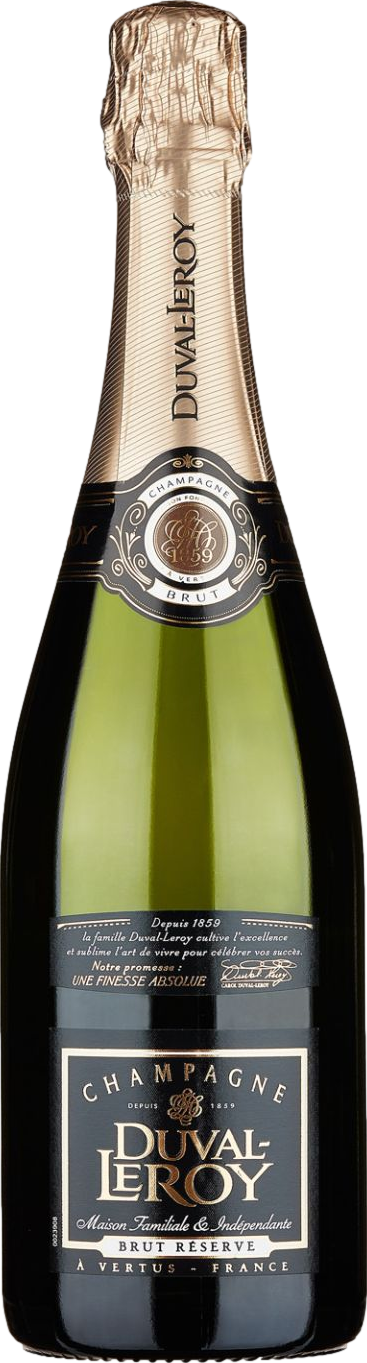
House-style brut
Another house blend to compare with an everyday brut.
View this bottle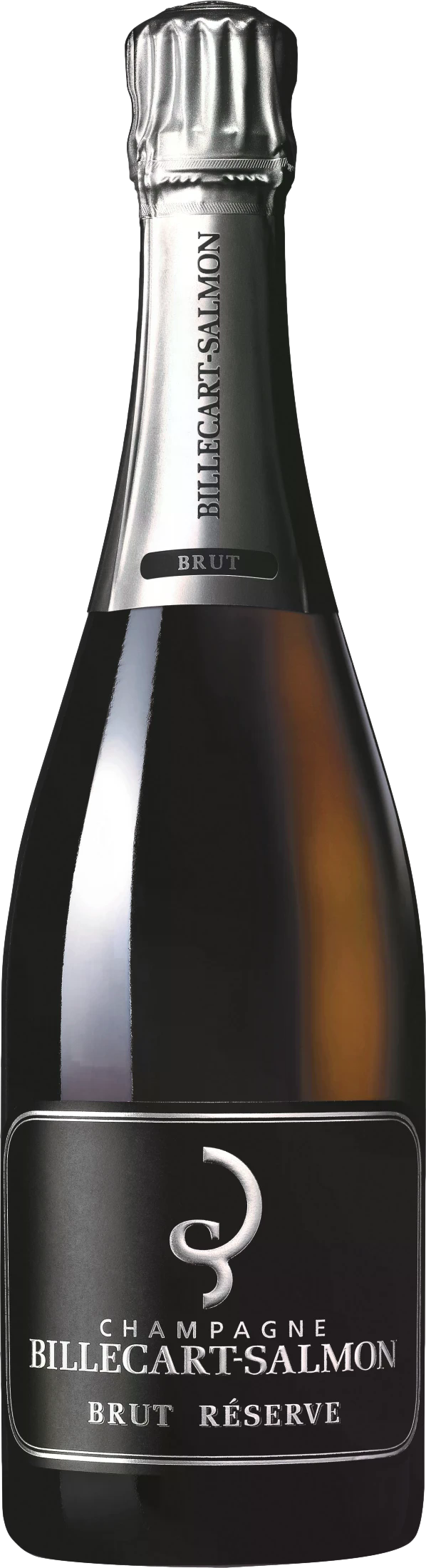
House-style brut
A classic house cuvée; look at the blend and reserve-wine approach.
View this bottle
House-style brut
A non-vintage house expression for a side-by-side comparison.
View this bottle
Explore an estate
A multi-village cuvée from Agrapart; verify the producer code and wine details on the actual bottle.
View this bottle
Explore an estate
A producer associated with Bouzy; a good starting point for village comparisons.
View this bottle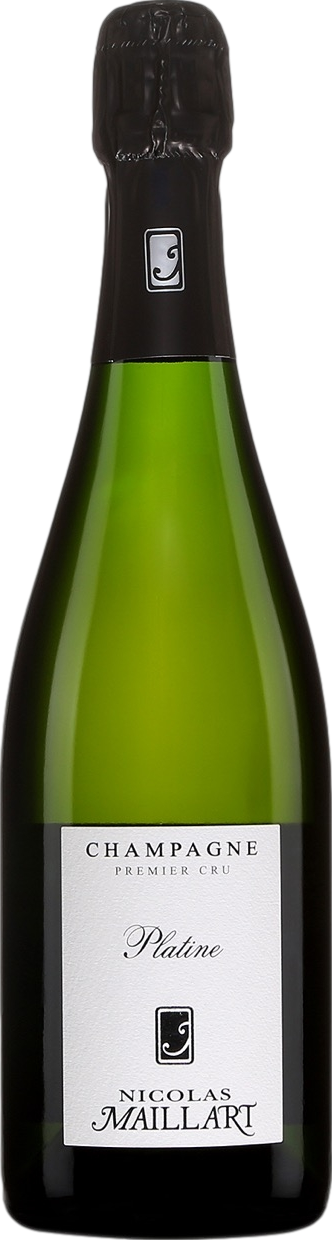
Explore an estate
An alternative to the big-name house cuvées; compare blend, dosage and origin.
View this bottleThe selection includes both Champagne houses and grower-oriented estates, but producer RM/NM/CM status should always be checked on the current bottle. We deliberately omit products with known vintage/image conflicts. Sipping may receive affiliate commission on qualifying retailer purchases.
Keep the pleasure, lose the guesswork
We haven't assigned imaginary bargain prices. Instead, these six checks help you compare real listings when you reach the retailer.
A well-chosen non-vintage cuvée is not inferior to an expensive vintage wine by definition. Compare producer, size and flavour preference.
Household-name marketing is only one part of the Champagne landscape. Compare different producers without presuming that RM or CM automatically means higher quality.
A 37.5 cl half-bottle can make a lower-commitment discovery. Compare the price per 75 cl equivalent; it is not always a lower unit price.
If you like crisp and restrained, a Blanc de Blancs or Extra Brut might suit. If you prefer body, try a Pinot Noir-led blend or Blanc de Noirs.
Single-vineyard, long-aged, vintage or luxury cuvées may cost more. Pay for the style or story you want—not simply a famous word on the label.
Stock, delivery costs, tax, final vintage and packaging vary. Sipping cannot confirm a live bargain or a current price from the editorial catalogue alone.
Champagne is a food wine
Acidity, bubbles, body and dosage all affect pairing. A dry rosé can be wonderful with dinner; a sweeter Demi-Sec belongs to a very different moment.
Blanc de Blancs or fresh Brut
Lively acidity and fine bubbles can sit beautifully beside delicate, salty seafood.
Classic non-vintage Brut
Bubbles and acidity work against richness and salt. Champagne is a dinner wine, not just a toast.
A textured Brut or Blanc de Noirs
Nutty hard cheeses and a more savoury, vinous Champagne can be lovely together.
Blanc de Noirs or a mature cuvée
More body and layered flavours can keep pace with roast and earthy notes.
Dry rosé Champagne
Rosé’s fruit and structure can work surprisingly well with savoury dishes.
Demi-Sec, matched to the dessert
Sweet dessert can make Brut taste harsh. Choose a wine at least as sweet as the pudding.
Choose carefully—or have coffee instead
Intense bitter chocolate often clashes with dry Champagne. A sweeter style may work; good coffee is sometimes the happier match.
A few good habits
A good starting serving temperature. An ice bucket with water and ice, or a few hours in the fridge, is more sensible than freezing the bottle.
A gently rounded bowl and narrower opening help the aromas develop. Wide coupes are attractive but let bubbles escape faster.
Keep a firm grip on the cork, point the bottle away from people and rotate the bottle gently. A soft sigh beats a flying cork.
Questions worth answering
Champagne must come from the protected Champagne region and is made with a second fermentation in the bottle. Most Prosecco is made using a tank method and its own protected Italian designations. They offer different possibilities; neither label guarantees that a particular bottle suits your taste.
No. It means Champagne made only from white grapes. Chardonnay is the most common, but several other white varieties are permitted.
The juice inside Pinot Noir and Meunier berries is generally pale; gentle pressing and minimal skin contact can yield pale wine.
No. RM, NM and CM indicate who makes or sources the wine. They do not award scores. Growers can offer more site-specific approaches; houses can use skilful blending and reserve wines.
Not necessarily. Vintage means the grapes come from one harvest and the wine receives longer statutory ageing. It is not a guaranteed improvement over a carefully assembled non-vintage wine.
No. Champagne’s Grand Cru and Premier Cru terminology historically relates to classified villages (crus); Burgundy classifies specific vineyard sites. Neither is a stand-alone quality score for the bottle in your hand.
No. In Champagne, Extra Dry permits 12–17 grams of sugar per litre, while Brut is under 12 g/L.
The Comité Champagne recommends around 8–10°C, preferably in a tulip-shaped glass. Too cold can mute aroma, and a wide coupe loses bubbles more quickly.
Yes, if the producer, style and occasion justify the cost. Compare equivalent bottle sizes and delivered prices; consider non-vintage or a less familiar producer. We do not label a product a live bargain without verified price data.
Research and further discovery
The production timelines, grape descriptions, dosage bands and producer codes follow the Comité Champagne’s official guidance. Photos show identifiable vineyards at Chavot-Courcourt and Verzenay, and a real cellar in Reims. Product details come from existing Sipping records with approved image permissions, not inferred from general web searches. Producer status, final vintage and live retailer terms should always be confirmed.
Cookies with your coffee?
Essential storage keeps Sipping working. Optional Google Analytics helps us understand what people find useful, but stays off unless you choose it. You can change this choice at any time.
Read our Cookie Policy