Sip France
France

Sip Guadeloupe

An archipelago with fresh-cane rhum, island mills and more than one rum tradition.

Eleven documentary Guadeloupe chapters covering the protected Rhum de la Guadeloupe geographical indication, Marie-Galante, agricole and sucrerie, Papa Rouyo double pot distillation, Bologne, Damoiseau, Creole dishes and alcohol-free island drinks.

Caribbean · Fresh cane, distinct islands and two rum traditions

Guadeloupe: the rhum, the islands and the people behind the cane

Explore Guadeloupe's geographical indication, the distinction between fresh-cane agricole and sugar-industry rum, Papa Rouyo's pot stills, Bologne and Damoiseau, Marie-Galante's protected place name, delicious Creole cooking and alcohol-free island drinks. Seven genuine supplier matches, no invented products.

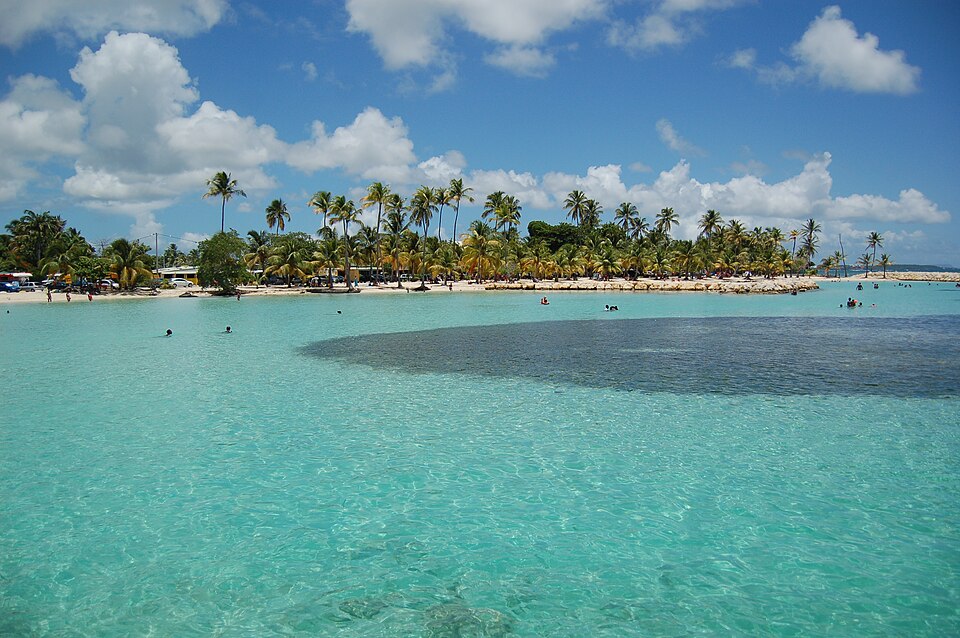
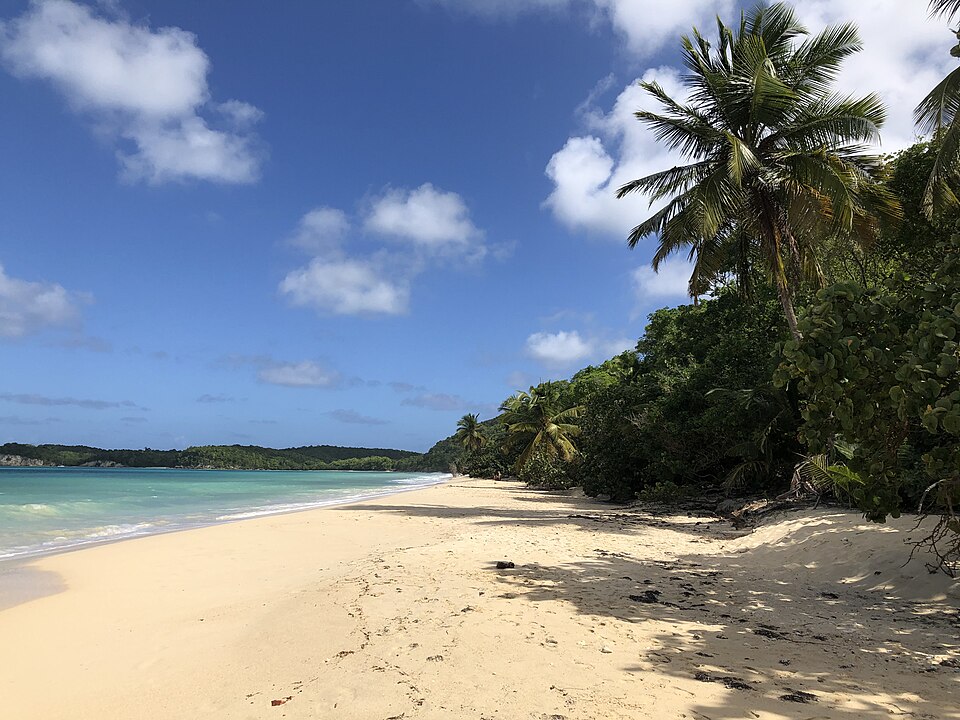
Folle Anse beach and tropical coast on Marie-Galante, Guadeloupe

Why this place matters

An archipelago of volcanic mountains, cane fields, island mills and the freedom to make rhum more than one way.

Follow the landscape, the people and the preparation. A protected origin is never casually attributed to an unrelated product or ingredient.

Explore the companion guide

A closer look

Cane fields. Working distilleries. Island life.

Folle Anse beach and tropical coast on Marie-Galante, Guadeloupe
01

Basse-Terre · Grande-Terre · Marie-Galante

Where we are

One butterfly-shaped archipelago, several island identities

Guadeloupe is a French overseas archipelago, not a single uniform island or a separate independent country. Basse-Terre is mountainous and lush, with La Soufrière volcano; Grande-Terre is flatter and known for towns, cane land and beaches. Marie-Galante, Les Saintes and La Désirade add distinct landscapes, agriculture and local traditions to the journey.

The butterfly outline of Basse-Terre and Grande-Terre is a familiar map image, but the waterways, villages, farming communities and smaller islands are just as interesting. A bottle called Guadeloupe rum does not necessarily come from Marie-Galante, and a photograph of a beach is not proof of the field where its cane was grown.

Into the glass: A chilled coconut water or passionfruit juice is a fine start to this island-hopping story.

Styles, techniques and products
02

Cane fields · historic sugar estates · emancipation

The difficult foundations

Sugar, enslavement and the rum economy

Sugar cultivation expanded in Guadeloupe during the seventeenth-century French colonial plantation era, built on the forced labour of enslaved Africans and other exploitative systems. Sugar works, cane mills and distillation developed within this economy. Historic buildings and machinery can provide evidence of industrial methods but should not be celebrated without the human history that made them possible.

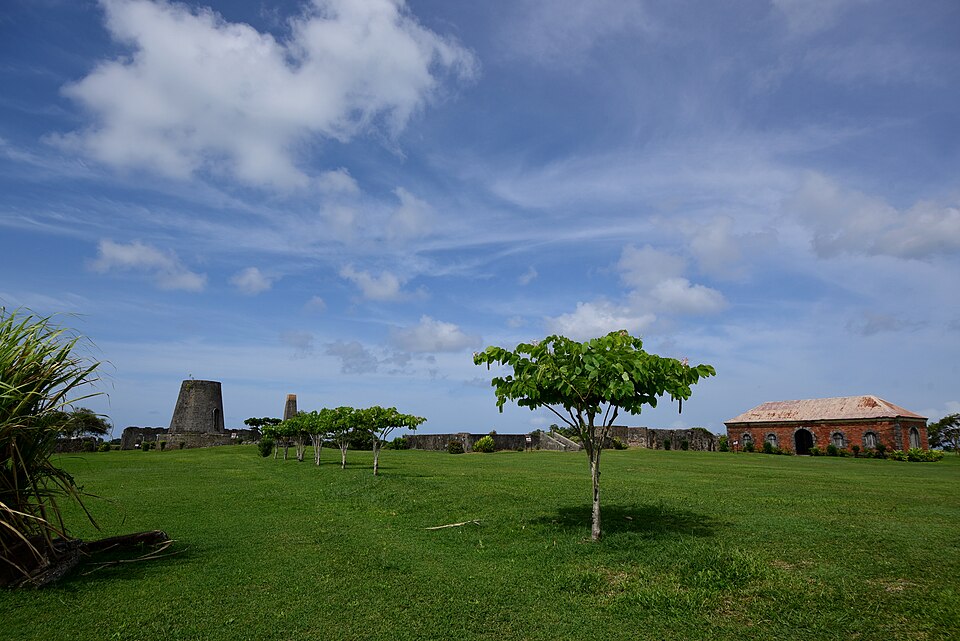
Emancipation and later changes in land ownership, mechanisation, markets and local employment transformed the industry. The ruined Trianon sugar estate on Marie-Galante is a reminder of how deeply cane production marked the landscape. Today's growers and distillers create new traditions, and their experience is not reducible to a nostalgic label.

Into the glass: Learn about cane syrup and guarapo as ingredients without turning the history into a drinking challenge.

Styles, techniques and products
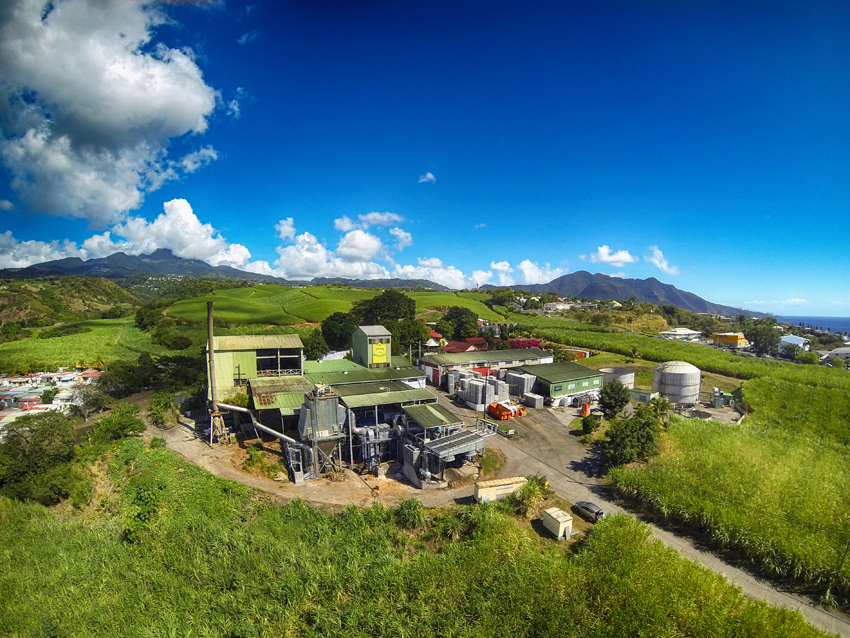
Working Distillerie Bologne in Basse-Terre, Guadeloupe
03

INAO protection · Guadeloupe · Marie-Galante

Know the label

Guadeloupe IG versus Martinique AOC: a useful legal distinction

France's INAO recognises a protected geographical indication, IG Rhum de la Guadeloupe. Unlike Martinique's specific AOC framework, the Guadeloupe IG covers both agricole rhum made from fresh sugar-cane juice and rhum de sucrerie made from sugar-production byproducts. It is inaccurate to describe every Guadeloupe rum as agricole or to say it holds Martinique's AOC.

The IG recognises blanc and vieux, with the latter aged at least three years in wood under the product specification. It also permits the supplementary Marie-Galante designation for qualifying production within Capesterre-de-Marie-Galante, Grand-Bourg and Saint-Louis. The presence of a producer name or a famous island does not automatically establish that an individual bottle qualifies for the protected wording.

Into the glass: Use IG, agricole, de sucrerie, blanc and vieux to learn production—not to score flavour.

Styles, techniques and products
04

Pressed cane · fresh vesou · fermentation

What goes into the still

Vesou, molasses and the importance of the harvest

Fresh-cut cane may be crushed to obtain vesou, the sweet juice used in agricole rhum. Its sugars ferment under yeast, developing aromas and alcohol before distillation. Producers working with this fresh raw material must plan around harvest and the speed at which juice changes; the result is a separate tradition from spirit distilled from molasses or other sugar-coproducts.

Guadeloupe's protected geographical indication explicitly encompasses both approaches, making it unusually rewarding for a careful comparison. Cane variety, weather, timing and fermentation matter, but we should not claim every product's cane grew beside its distillery. Compare the specific label's ingredients, production location and distilling method before drawing conclusions.

Into the glass: A fresh cane-juice and lime cooler makes an alcohol-free tasting link to the crop.

Styles, techniques and products
Distillerie Damoiseau at Le Moule on Guadeloupe's Grande-Terre
05

Le Moule · Grande-Terre

Producer spotlight

Damoiseau on Grande-Terre and the machinery of rum

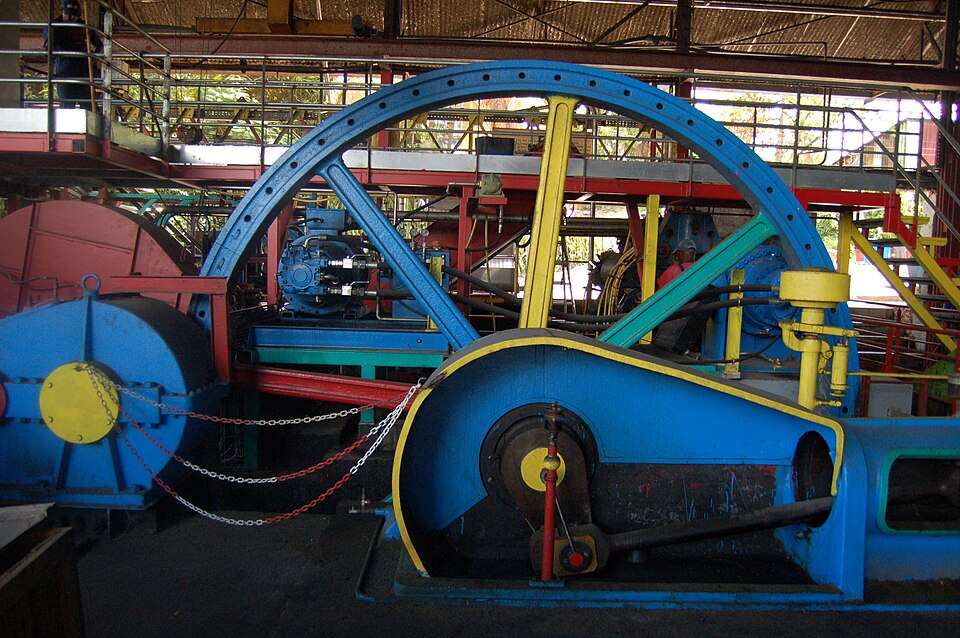
Damoiseau is a major Guadeloupe rum name associated with Le Moule in Grande-Terre, at a distillery with a documented agricultural and industrial heritage. Seeing the mill, fermenting equipment and production site adds context to the bottled white and aged rums. Different producers have different methods, and we should not use general rum lore in place of the producer's own current specifications.

Our currently approved UK affiliate feed does not offer an eligible Damoiseau product, so Sipping deliberately keeps Damoiseau in the educational chapter rather than inventing a buy button. The photo gallery includes an actual photograph of the Le Moule site, with credit and a link to the licensed source.

Into the glass: An alcohol-free iced ginger and lime drink is just as refreshing after a distillery history visit.

Styles, techniques and products
06

Basse-Terre · volcanic slopes

Producer spotlight

Bologne beneath La Soufrière: a distinct Basse-Terre story

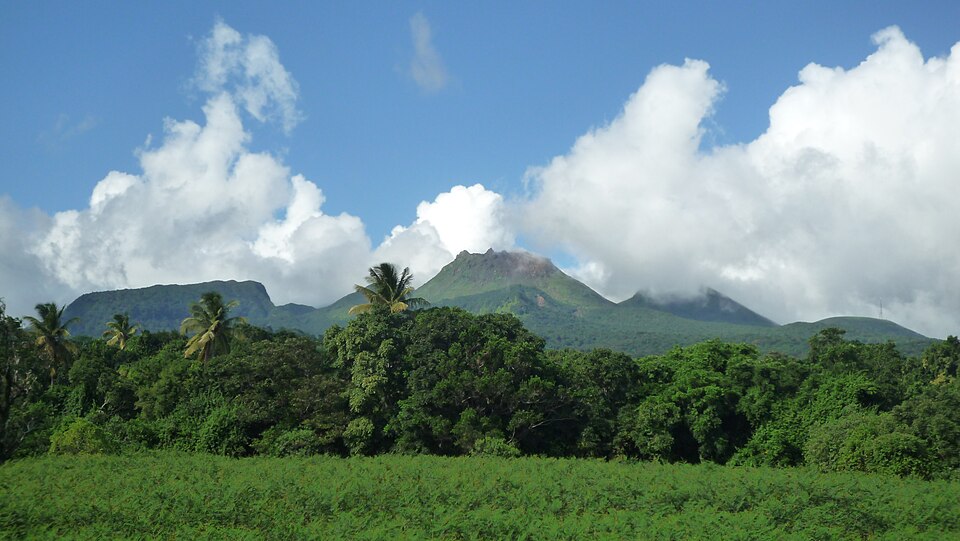
Distillerie Bologne is associated with the Basse-Terre area and cane-growing landscapes below Guadeloupe's mountainous volcanic slopes. The actual working distillery can be explored through photographs and producer information, separate from general claims that volcanic soils always create a particular flavour. Farming, fermentation and distilling are what translate raw material into aroma.

We have a genuine Bologne VO bottle in the supplier catalogue. The retailer's classification of its exact still type needs to be checked against the producer before we repeat it as a verified technical claim. VO is a specific expression, not proof that every Bologne rum is identical or that all its cane originates from one pictured field.

Into the glass: Set a little mature Bologne beside a white agricole in measured amounts to compare wood and freshness.

Styles, techniques and products
La Soufrière volcano in Guadeloupe's mountainous Basse-Terre
07

Sainte-Claire, Goyave · eastern Basse-Terre

Producer spotlight

Papa Rouyo at Goyave: pot-still agricole is part of Guadeloupe too

Papa Rouyo is a newer Guadeloupe distillery based at Goyave, with ties to cane growers around Le Moule. Its own production account describes double distillation in two named pot stills, Agathe and Danielle, after fermenting fresh cane juice. This makes it particularly useful for showing that agricole rhum does not always need the Creole column associated with Martinique.

Five approved Papa Rouyo products are in Sipping's catalogue, including white rhums, a named blend and a three-year-aged expression. Producer terminology such as Le Rejeton, Vwayaj, L’Oeilleton and Sanblaj belongs to specific bottlings. Do not treat the release year as a universal recipe or infer that every batch uses the same cane parcel.

Into the glass: A Papa Rouyo white rum can reveal how double pot distillation differs from column-led traditions.

Styles, techniques and products
08

Grand-Bourg · Capesterre · Saint-Louis

An island within the island story

Marie-Galante: mills, three communes and rhum with a place name

Marie-Galante has long been associated with sugar cane, historic windmills, farming and rum. Within Guadeloupe's IG, its name may be used as a supplementary designation only for qualifying production in three defined communes. This protects a factual origin rather than promising any one producer a preferred score from critics.

Bielle, Père Labat and Bellevue belong in the account of rum-making on Marie-Galante. Sipping has an eligible Rhum Rhum PMG Marie Galante bottle, a named pot-still expression associated with the island. The bottling label and distillery documentation must still be checked before claiming that every product sold with similar wording was distilled in the same building.

Into the glass: A Marie-Galante coastal walk followed by coconut water is part of the island's value beyond its distilleries.

Styles, techniques and products
Working Distillerie Bologne in Basse-Terre, Guadeloupe
09

Continuous distillation · batch distillation · barrel rooms

Making & tasting

Columns, double pot stills, white rum and the subtlety of oak

Fermentation creates a complex wash, then distillation concentrates alcohol and selects flavour compounds. Guadeloupe can offer agricole made using differing apparatus: producer methods range from continuous columns to the double pot-still approach explicitly described by Papa Rouyo. The common starting point of fresh cane juice does not force a common still design or a single tasting profile.

White rhums are not always weak, and clear appearance says little about strength. Aged expressions are defined by genuine time and conditions in wood, while a product title should not be interpreted as a complete technical fact sheet. Read the actual bottle's ABV and producer specifications; never substitute colour, price or marketing adjectives for those details.

Into the glass: Two tiny, measured samples can illustrate production differences; a no-alcohol cane-and-lime spritz is an equally valid sensory option.

Styles, techniques and products
10

Pointe-à-Pitre · Les Saintes · markets

Creole food and refreshment

Bokit, accras, tourment d’amour and the island's alcohol-free side

Guadeloupe's food scene includes accras, bokit sandwiches, fresh fish, local vegetables, spices and the Tourment d’amour coconut-filled tartlet associated with Les Saintes. The tartlet's origin story is partly oral tradition, and some recipes include rum—ask for an alcohol-free recipe if needed. Sorbet coco traditionally churned by hand is another local treat worth exploring.

Fresh juices, coconut water, tamarind, ginger, sorrel-style hibiscus drinks and cane-based coolers make lively partners for these foods. Many recipes vary by vendor or household; some sweet drinks or desserts may include spirits, so check rather than assuming that a coconut label guarantees an alcohol-free product.

Into the glass: Have an alcohol-free ginger, lime and passionfruit cooler alongside an accra or a bokit.

Styles, techniques and products
Folle Anse beach and tropical coast on Marie-Galante, Guadeloupe
11

Pointe-à-Pitre · Le Moule · Goyave · Basse-Terre · Marie-Galante · Les Saintes

Experiences, not a tasting marathon

Six island stops worth taking slowly

Begin with markets and food in Pointe-à-Pitre, then discover agricultural Grande-Terre near Le Moule and the history of Damoiseau. Cross to Goyave for Papa Rouyo's cane and pot-still story, continue south-west towards Bologne and La Soufrière, and reserve separate ferry time for Marie-Galante's mills, distillery histories and coast. Les Saintes deserves a different day for food, heritage and the sea.

These are thematic stops, not a bookable one-day schedule. Ferry routes, volcanic access, distillery opening, photographs and tours must be confirmed with local operators. Arrange transport and designated drivers. A cultural journey through Guadeloupe offers plenty to enjoy without tasting any alcoholic drink.

Into the glass: Finish the journey with locally prepared sorbet coco or a chilled lime-and-soda drink.

Styles, techniques and products

Know what the words mean

The Guadeloupe Rhum glossary

IG Rhum de la Guadeloupe

French protected geographical indication covering qualifying agricole and sugar-industry rhums.

AOC Martinique

Distinct, more specific origin control for Martinique rhum; not interchangeable with Guadeloupe IG.

Rhum agricole

Rum made from fermented fresh sugar-cane juice.

Rhum de sucrerie

Rum produced from cane sugar-industry byproducts under relevant rules.

Vesou

Freshly pressed juice from harvested sugar cane.

Marie-Galante designation

Optional supplementary IG place name reserved for qualifying rhum from three specified Marie-Galante communes.

Rhum blanc

White rhum rested after distillation without contact with wood under the IG.

Rhum vieux

IG rhum aged in wood at least three years.

Pot still

Batch distilling apparatus; Papa Rouyo documents a double pot-still process.

Creole column

Continuous multi-plate distilling apparatus used by many Caribbean agricole producers.

Sanblaj

A named Papa Rouyo product; do not infer details of every future blend from one bottle.

Bagasse

Fibrous sugar-cane residue after pressing, often reused as industrial fuel.

Bokit

Guadeloupe fried-bread sandwich filled with savoury ingredients.

Tourment d’amour

Coconut-jam tartlet associated with Les Saintes; some recipes contain rum.

Sorbet coco

Hand-churned coconut sorbet traditional across Guadeloupe.

A journey, not a drinking schedule

Explore Guadeloupe in five stops

A suggested route for understanding the place and its people; check local access, transport and seasonal opening hours.

01 / Journey

Pointe-à-Pitre

Markets, cuisine and the history behind the archipelago's trade.

02 / Journey

Le Moule, Grande-Terre

Damoiseau's distillery context and cane-country scenery; confirm access.

03 / Journey

Goyave, Basse-Terre

Papa Rouyo's growers and double pot-still tradition, subject to current bookings.

04 / Journey

Basse-Terre and La Soufrière

Bologne's rum history and volcanic landscape, weather permitting.

05 / Journey

Marie-Galante

Explore historical mills and rum origins with a separate ferry itinerary.

06 / Journey

Les Saintes

A maritime food journey featuring Tourment d’amour and local refreshments.

The Sipping catalogue promise

7 authentic product matches

These are curated existing product records, not invented inventory. Retailers confirm prices, delivery and availability. Citrus mixers are never passed off as fruit grown here.

Explore the buying guide

Research and provenance

Regional traditions are informed by official origin, producer and cultural references wherever available. Product listings remain separate from claims about farms or ingredients. Photographs are illustrative unless explicitly identified.

Try it at home

Related Sipping picks

Seven verified Guadeloupe producer rhums: Papa Rouyo, Bologne and Rhum Rhum Marie-Galante. Fresh-cane and sugar-industry rum origins must be distinguished; no invented Damoiseau catalogue stock. Retailer confirms ABV and availability.

Papa Rouyo Le Rejeton 2021 / Blanc Rhum Agricole
From this place

Papa Rouyo Le Rejeton 2021 / Blanc Rhum Agricole

Authentic Guadeloupe producer listing with approved imagery. Verify exact ABV, region designation and retailer stock. Production/still details are never inferred solely from distributor category tags.

Papa Rouyo Vwayaj 2022 / Rhum Agricole
From this place

Papa Rouyo Vwayaj 2022 / Rhum Agricole

Authentic Guadeloupe producer listing with approved imagery. Verify exact ABV, region designation and retailer stock. Production/still details are never inferred solely from distributor category tags.

Papa Rouyo L’Oeilleton 2022 / Blanc Rhum Agricole
From this place

Papa Rouyo L’Oeilleton 2022 / Blanc Rhum Agricole

Authentic Guadeloupe producer listing with approved imagery. Verify exact ABV, region designation and retailer stock. Production/still details are never inferred solely from distributor category tags.

Rhum Rhum PMG Marie Galante (41%) Single Traditional Pot Still Rum
From this place

Rhum Rhum PMG Marie Galante (41%) Single Traditional Pot Still Rum

Authentic Guadeloupe producer listing with approved imagery. Verify exact ABV, region designation and retailer stock. Production/still details are never inferred solely from distributor category tags.

Bologne VO Rum Single Traditional Pot Still Rum
From this place

Bologne VO Rum Single Traditional Pot Still Rum

Authentic Guadeloupe producer listing with approved imagery. Verify exact ABV, region designation and retailer stock. Production/still details are never inferred solely from distributor category tags.

Papa Rouyo Sanblaj Pot Still / Rhum Agricole
From this place

Papa Rouyo Sanblaj Pot Still / Rhum Agricole

Authentic Guadeloupe producer listing with approved imagery. Verify exact ABV, region designation and retailer stock. Production/still details are never inferred solely from distributor category tags.

Papa Rouyo Jenerasyon 3 Year Old / Rhum Agricole
From this place

Papa Rouyo Jenerasyon 3 Year Old / Rhum Agricole

Authentic Guadeloupe producer listing with approved imagery. Verify exact ABV, region designation and retailer stock. Production/still details are never inferred solely from distributor category tags.

Keep discovering

Where will good taste take you next?