Match the weight
Delicate Blanc de Blancs loves clean, lighter seafood. Richer Blanc de Noirs or mature Brut can stand up to roast and earthy food.

Sipping special feature · Food & Champagne
From oysters and gougères to Comté, Chaource and roast chicken. Find the wine style that makes your food sing—and know when Champagne isn’t the best answer.
Find a food pairingNot just for raising a glass
Delicate Blanc de Blancs loves clean, lighter seafood. Richer Blanc de Noirs or mature Brut can stand up to roast and earthy food.
Acidity and fizz refresh the palate beside fried food, salty snacks and many creamy cheeses. Keep the dish’s intensity in mind.
Brut rarely does sweet puddings a favour. Demi-Sec can work with fruit and pastry; dark chocolate often prefers coffee or another drink.
An interactive guide to the next glass
Start with the food, then choose a Champagne style if you have one in mind. The matches are grounded editorial recommendations, not a claim that every Champagne in a category tastes the same.
Find a match by dish, then follow the serving style.
7 thoughtful pairings found
Cheese board
Your cheese pairingMore rounded Brut or Blanc de Noirs
This soft washed-rind cheese has its own Champagne-region heritage. A wine with body can better meet its aromatic rind.
Cheese board
A textured Brut or Blanc de Noirs
Comté’s nutty, cooked-milk savouriness finds echoes in mature Champagne and enough contrast from its bubbles.
Cheese board
Brut or Blanc de Blancs
A genuine cheese from the Champagne–Burgundy border. Fresh acidity meets its soft, lactic and creamy bloomy-rind texture.
Cheese board
Brut with a little texture or a Chardonnay-led Champagne
Freshness cuts the creamy paste while mature Champagne can echo the mushroomy notes of a ripe Brie.
Cheese board
Fuller Brut or Blanc de Noirs
Salt, acidity and firm savoury texture benefit from bubbles and a Champagne with enough body not to disappear.
Cheese board
Demi-Sec, with caution
The added sweetness can temper the high salt and blue mould better than a bone-dry Brut, but this remains a challenging pairing.
Cheese board
Lively Blanc de Blancs or a fresh Brut
A fresh goat’s cheese needs a clean, bright partner. Champagne can work well, even if Loire Sauvignon Blanc is the more familiar regional pairing.
The cheese board, reimagined
We already have dedicated Cheese Atlas pages for these varieties. Explore the origin, milk, rind, maturation and flavour before deciding on the bottle.
Comté
A textured Brut or Blanc de Noirs
Chaource
Brut or Blanc de Blancs
Langres
More rounded Brut or Blanc de Noirs
Brie de Meaux
Brut with a little texture or a Chardonnay-led Champagne
Mature Cheddar
Fuller Brut or Blanc de Noirs
Roquefort
Demi-Sec, with caution
Fresh Crottin de Chavignol
Lively Blanc de Blancs or a fresh Brut
From the idea to an actual bottle
Six illustrative bottles from Sipping's verified Champagne catalogue—one for each useful food-pairing direction. No live price, stock or delivery claims.

Brut

Blanc de Blancs

Blanc de Noirs
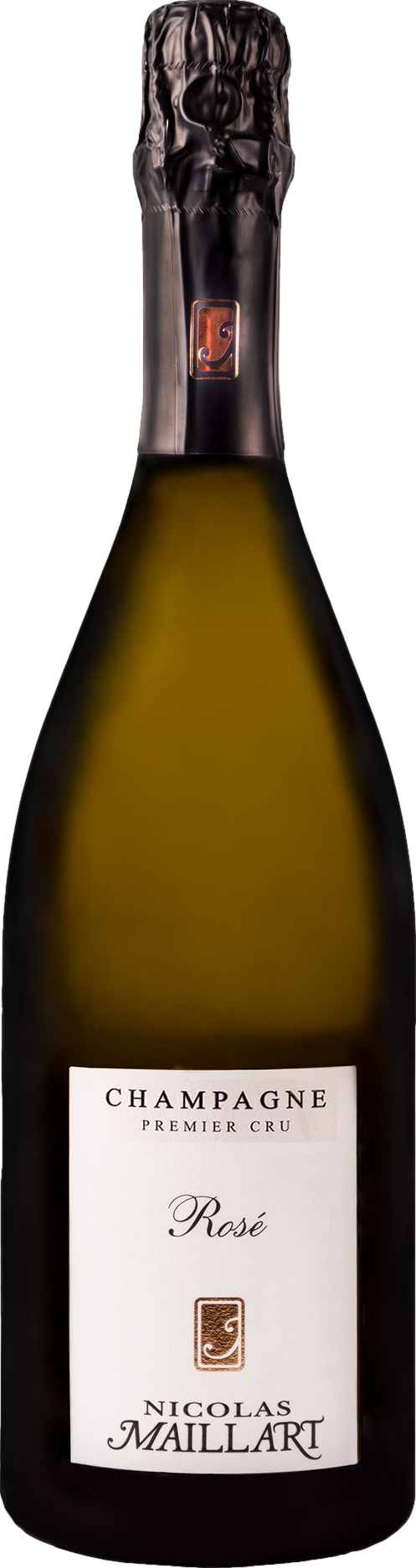
Rosé

Vintage / mature

Demi-Sec
Take the match beyond the page
Our Party Planner already handles food, timings, quantities, water and alcohol-free options. Carry a particular pairing into the planner, or start with one of these three useful formats.
A small tasting with Chaource at its heart; carry an actual bottle suggestion into your plan.
Plan this occasionPlan arrival drinks and a food-led progression from first glass to roast main course.
Plan this occasionSeparate reception, toast and table service, with alcohol-free options throughout.
Plan this occasionParty quantities are planning estimates, not drinking targets. Offer water, food and alcohol-free options at every stage.
Further reading and provenance
Pairings follow sensory principles and official Comité Champagne food-and-wine guidance, including its advice on Brut aperitifs and Sec or Demi-Sec with suitable desserts. Individual bottles, cheese ripeness and dishes will vary. Cheese Atlas links point to our existing editorial records; verified Champagne images and labels are drawn from current supplier records.
Cookies with your coffee?
Essential storage keeps Sipping working. Optional Google Analytics helps us understand what people find useful, but stays off unless you choose it. You can change this choice at any time.
Read our Cookie Policy