Sip the World
Europe

Sip Portugal

Port, vinho verde and coffee at the counter.

Portugal brings together fortified wines, Atlantic freshness, distinctive island traditions and an everyday coffee culture all its own.

Same place · two views

You are in the experience view. Switch to the Atlas to understand the coffee behind the place.

A deeper journey

Portugal, one glass at a time

Portugal has a wonderfully quiet confidence. A short coffee at the counter, seafood and an aromatic northern white, a glass of Port at the end of a meal: these are not isolated drinks but parts of a daily rhythm. Follow the country from coast to vineyard, and see how dramatically the glass changes with the place.

In the café

Ask for a bica

In Lisbon, a bica is the familiar short espresso: a small pause in a very social coffee culture.

At the counter

Try a ginjinha

Lisbon’s sour-cherry liqueur is often served as a quick, informal little glass.

At the table

Let the food lead

Atlantic seafood loves fresh northern whites; rich cheeses and nutty pastries give Port its moment.

Douro region of Portugal

01 / Four Portuguese regions

River terraces, fortified traditions and ambitious dry wines

The Douro: where the river writes the wine

Travel upstream from Porto and the river begins to twist between steep slopes stitched with vineyard terraces. This is the landscape behind Port, but the Douro deserves a second glass: dry reds and whites have become a compelling story in their own right. Schist, exposure and altitude give producers a wide range of possibilities rather than one uniform house style.

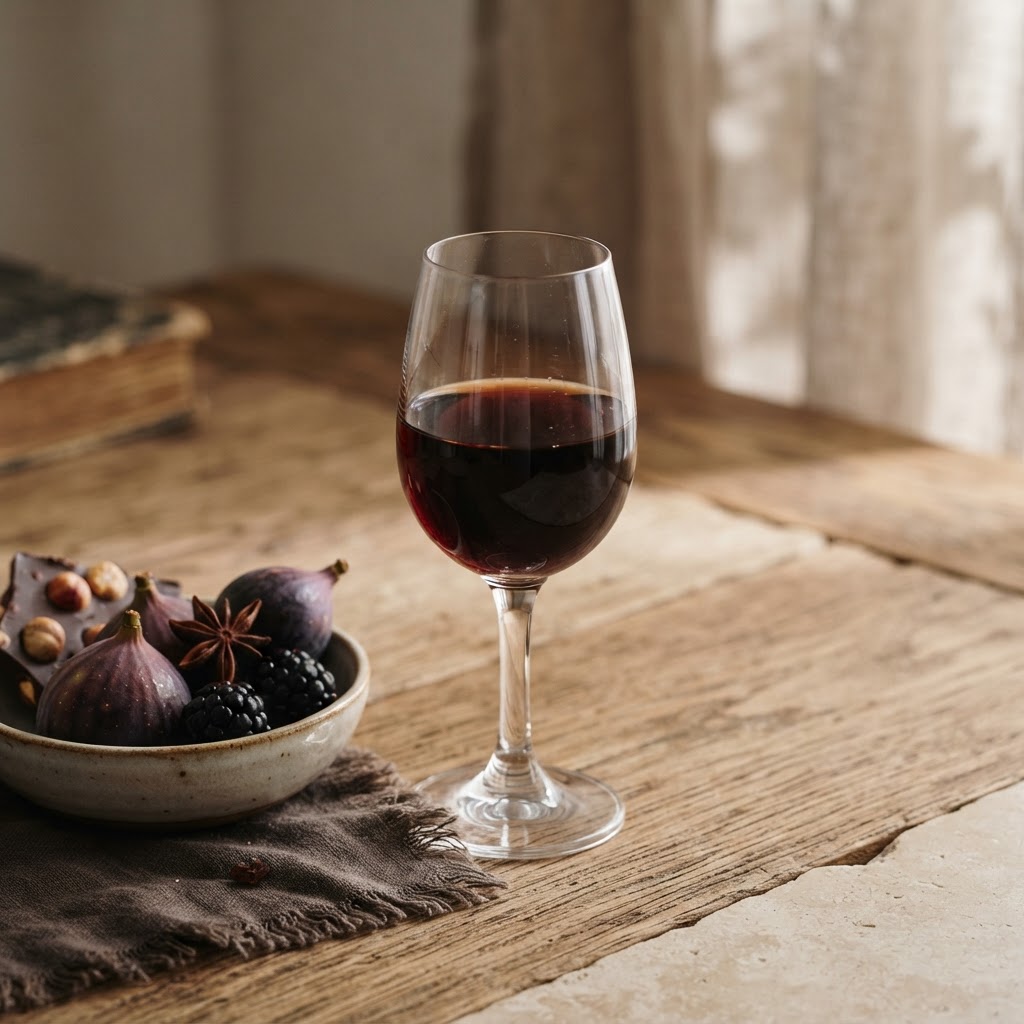
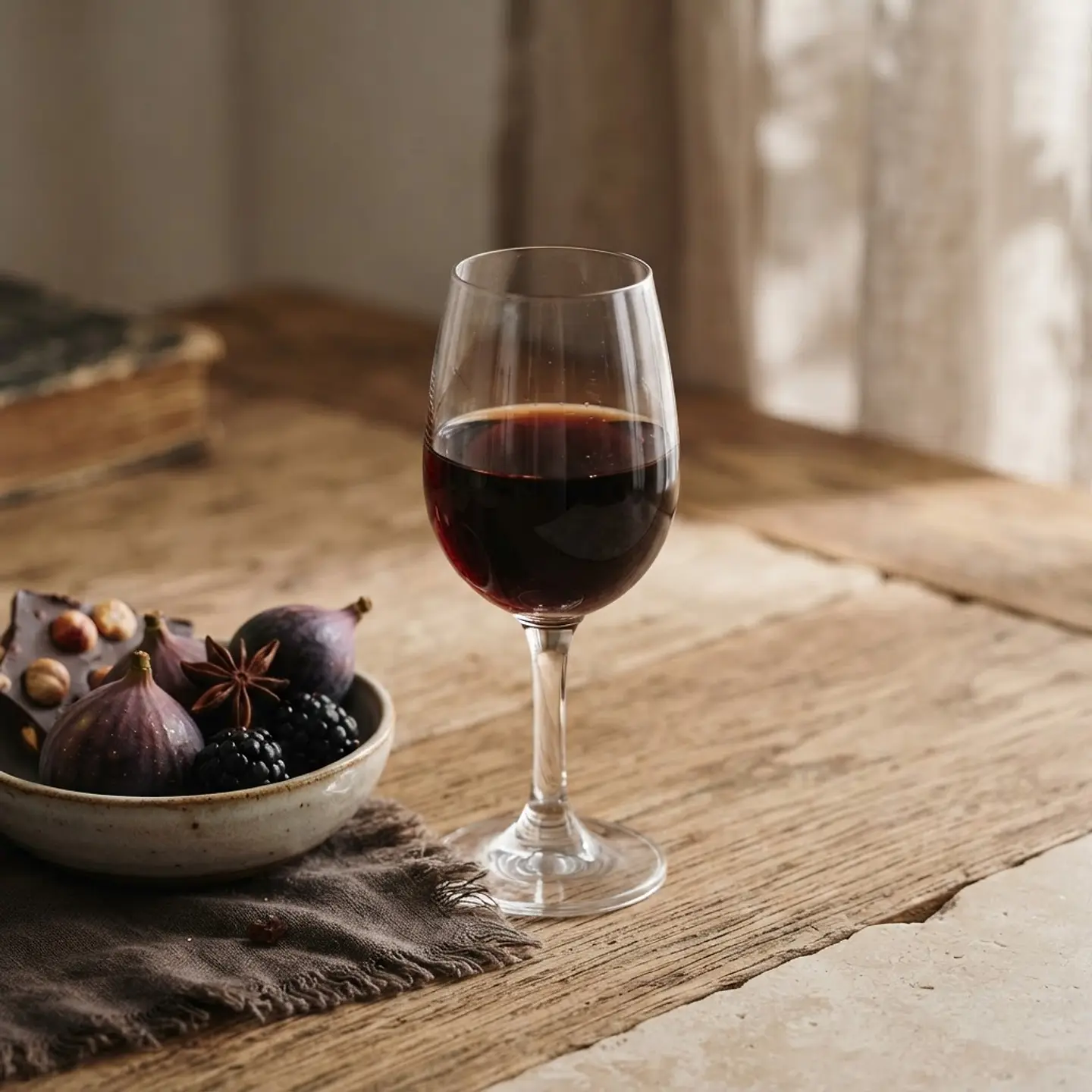
Port starts with wine made in the demarcated Douro region; fermentation is interrupted by grape spirit, preserving natural sweetness. Young ruby styles tend towards dark, energetic fruit. LBV and Vintage Ports reflect single harvests: Vintage develops over years in bottle, while LBV generally spends longer in wood before release. Tawnies shaped by time in wood turn towards nuts, caramel and dried fruit. A good way to understand the contrast is to taste a fruity LBV beside a mature tawny.

Minho region of Portugal

02 / Four Portuguese regions

Atlantic air, green valleys and the wines of Vinho Verde

Minho: Portugal’s refreshingly different north

In the greener north-west, the mood changes. Vinho Verde is a protected geographical wine name, not a promise that the wine is green or sparkling. The best examples can be wonderfully vivid: lemon, green apple, white flowers and a mineral or gently saline edge. Subregions, growers and varieties matter far more than the old stereotype of a simple fizzy holiday white.

Alvarinho, particularly associated with the northern reaches around Monção and Melgaço, can bring body and aromatic concentration without losing freshness. Loureiro often offers a more floral, lifted character. Pour either cool beside clams, grilled sardines or prawns, and the connection between Atlantic food and Atlantic wine becomes immediately clear.

Alentejo region of Portugal

03 / Four Portuguese regions

Cork oaks, open horizons and wine from clay vessels

Alentejo: a slower rhythm and an ancient technique

South and east of Lisbon, Portugal opens into wider, warmer landscapes. The Alentejo has built a reputation for generous reds, textured whites and a particularly welcoming table: slow-cooked pork, herbs, olives, sheep’s cheese and the rich savouriness of the region’s cooking. Altitude and soils vary, so it is more interesting to think in terms of many Alentejos rather than one big sun-soaked red.

Its most remarkable wine story may be talha, the large clay amphora used for fermentation. The practice reaches back to the Roman period, survived in local cellars and taverns, and is enjoying renewed attention. Talha wines can be textural and distinctive, but there is no single flavour profile: grape variety, contact with skins and the producer’s technique still decide the result.

Madeira region of Portugal

04 / Four Portuguese regions

Volcanic slopes, sea air and the art of transformed wine

Madeira: an island with an extraordinary cellar

On the Atlantic island of Madeira, a completely different fortified-wine tradition grew up. Deliberate exposure to heat and oxidation during ageing creates remarkable stability and flavours that can travel from citrus peel and toasted nuts to caramel, spice and coffee. Madeiran wine is not simply a sweeter version of Port; acidity is often its most striking quality.

Think of the traditional styles as a spectrum: Sercial generally at the drier end, Verdelho medium dry, Bual or Boal medium sweet, and Malvasia or Malmsey rich and sweet. Dry versions can be splendid aperitifs; richer ones take beautifully to nut cakes and aged cheese. We explore these styles editorially while we build a trustworthy retailer selection for the island.

Try it at home

Four glasses, four stories

A miniature tasting route that follows the country rather than a random list of products. Take it over several evenings if you prefer; each glass has something to teach.

01 · Start

White Port & tonic

Ice, chilled dry white Port, tonic and a citrus twist. A lighter way into Portugal’s fortified-wine tradition.

Discover a white Port

02 · By the sea

Alvarinho & shellfish

Bright acidity and salty, sweet shellfish make a particularly natural pairing.

Meet the Alvarinho

03 · At the table

Douro red & roast

Structured dry red with roasted lamb, grilled mushrooms or a substantial vegetable dish.

Discover a Douro red

04 · After dinner

Tawny & nuts

A lightly chilled aged tawny with walnuts, aged cheese or almond pastries.

Discover a tawny
Food-led pairing suggestions, not promises of availability or a single-vendor checkout.

Keep exploring

The place is only the beginning.

Explore the regional pages and related bottles below, or take the wider Sipping journey towards a drink for tonight.

Find my next sip

Signature drinks

A taste of Portugal

Not a single national drink, but a collection of styles, traditions and regional identities worth exploring.

Keep discovering

Where will good taste take you next?