Sip Austria

Sipping deep dive · Austrian wine

Grüner Veltliner, explained

White pepper, orchard fruit and a remarkable ability to sit happily beside food. Discover Austria’s signature grape, decode the Wachau labels and choose a genuine bottle.

Find your Grüner

Austria’s distinctive white grape

One grape. Many ways to enjoy it.

Grüner Veltliner, pronounced roughly GROO-ner VELT-lee-ner, is Austria’s signature white grape, but it is no single taste. A brisk, everyday Grüner can feel beautifully fresh, with apple, lemon and a little white pepper. A powerful single-vineyard wine from the Wachau or Wagram can be layered, textured and capable of developing with age.

The peppery note often associated with the grape has a chemical connection: the aroma compound rotundone occurs in the grape’s skins. But the flavour is not automatic, and you may instead find pear, peach, herbs, citrus or a savoury quality. Wine depends on the site, weather, fermentation choices and maturity of the fruit.

Most familiar versions are dry, making Grüner unusually friendly with food. It often shines with ingredients that other wines find tricky: asparagus, green herbs, tangy cheese, schnitzel and roast poultry. Its strength is flexibility, not simply being fashionable.

Follow the grape through Austria

Six regional perspectives

Terraced vineyards above the Danube in the Wachau, Austria

01 · Terraces, depth and exceptional sites

Wachau

Vines grow on steep slopes above the Danube. Grüner Veltliner ranges from delicate, drink-now expressions to ageworthy, deeply textured Smaragd wines. The vineyard name matters: Achleiten and Kellerberg are two well-known sites.

Try this: Try Federspiel with trout; a powerful Smaragd with roast chicken or mature hard cheese.

Vineyards near Krems in Lower Austria

02 · Classic Grüner around Krems

Kremstal

The Kremstal combines different exposures and soil types around the town of Krems. Grüner Veltliner and Riesling are leading regional grapes, ranging from bright fruit and pepper to more layered single-vineyard wines.

Try this: Look for a precise, dry Kremstal DAC with asparagus or vegetables.

03 · Fine dry whites and diverse sites

Kamptal

Around Langenlois and the Kamp valley, Grüner Veltliner can be bright, peppery or broad, depending on the vineyard. Loess sites and steeper rock-dominated vineyards offer different textures and growing conditions.

Try this: Compare Kamptal Grüner with a Wachau wine at a similar body and serving temperature.

04 · A peppery calling card

Weinviertel

The Weinviertel is the home of the recognisably dry, fruit-driven, often white-pepper-accented style of Grüner Veltliner. Weinviertel DAC is an origin designation and a useful buying clue, not a guarantee every bottle will taste identical.

Try this: An everyday Grüner with a salty pretzel, light fried food or a salad.

05 · Two more places to look

Wagram & Traisental

Wagram’s loess slopes and varied sites can produce generously textured wines. Traisental is small but noteworthy, with lively acidity and a peppery edge in many Grüner Veltliners. Both reward looking beyond the best-known Wachau names.

Try this: Compare Wagram with a lighter Weinviertel and notice the difference in mouthfeel.

06 · An Austrian identity, not an exclusive passport

Beyond Austria

Grüner Veltliner also grows outside Austria, including elsewhere in central Europe and overseas. The grape name alone does not prove Austrian origin; check the winery and actual growing region before treating a bottle as an Austrian product.

Try this: For a fair tasting, compare Austrian wines from two sites before adding a non-Austrian example.

Wine label decoder

Steinfeder, Federspiel or Smaragd?

Those three evocative names belong to Wachau tradition and indicate style, not a universal hierarchy of quality. Modern Wachau DAC rules separately identify the geographical origin of its wines. Read producer, vintage and vineyard as well as the category.

Word on the labelWhat it meansWhat to expect
Grüner VeltlinerA white grape varietyNot the same as Riesling, and not a catch-all name for Austrian white wine.
DACDistrictus Austriae ControllatusAn Austrian regional origin designation with rules for recognised styles and permitted grapes.
SteinfederTraditional lighter Wachau styleGenerally delicate and lower in alcohol; an association-linked style name rather than a ranking or guarantee of value.
FederspielTraditional medium-weight Wachau styleTypically dry, balanced, fresh and versatile at the table.
SmaragdTraditional ripe, full-bodied Wachau styleUsually more concentration and ageing potential, but not automatically better than Federspiel for your occasion.
RiedA named vineyard siteA useful clue to provenance. A vineyard name is not by itself a quality guarantee.
ReserveA style indication subject to relevant rulesOften a richer or more developed wine; check the producer and applicable regional designation.
Roter VeltlinerA different white grapeDespite the similar name, Roter Veltliner is not the same grape as Grüner Veltliner.

A small detail worth knowing

Despite the similar name, Roter Veltliner is a different grape from Grüner Veltliner. Likewise, a wine named Grüner Veltliner is not automatically Austrian. The actual country of origin is what belongs in our product matching.

The growers and the place

Five makers to explore

These profiles are regional reference points, not a guarantee every bottle or vintage is currently available. Only verified items from our actual affiliate catalogue receive product links below.

Wachau · Weißenkirchen

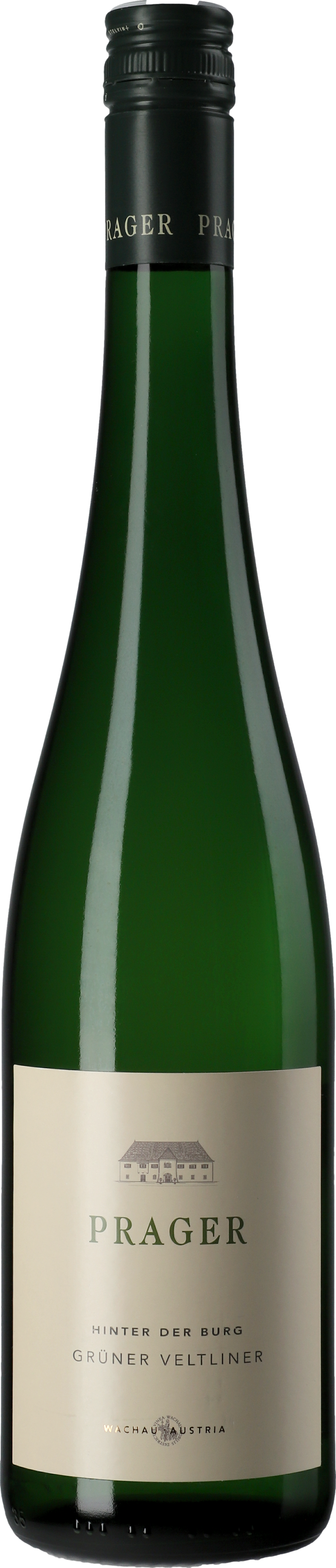
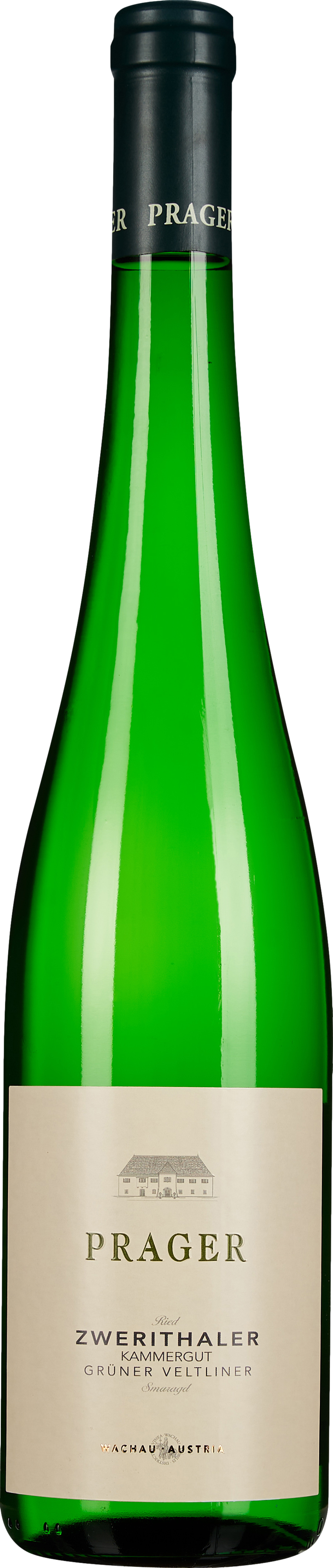
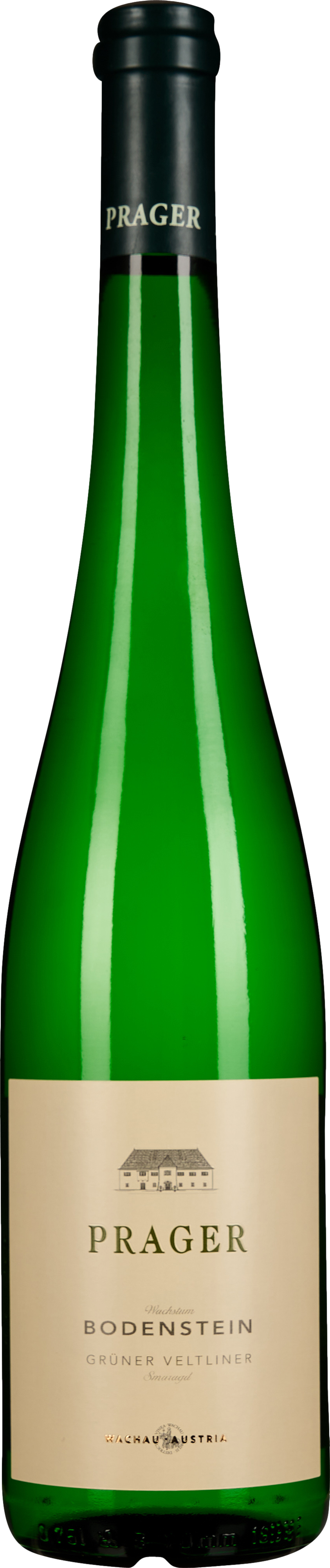
Prager

Known for site-focused Wachau wines, including named vineyards and both Federspiel and Smaragd expressions.

Wagram · Oberstockstall

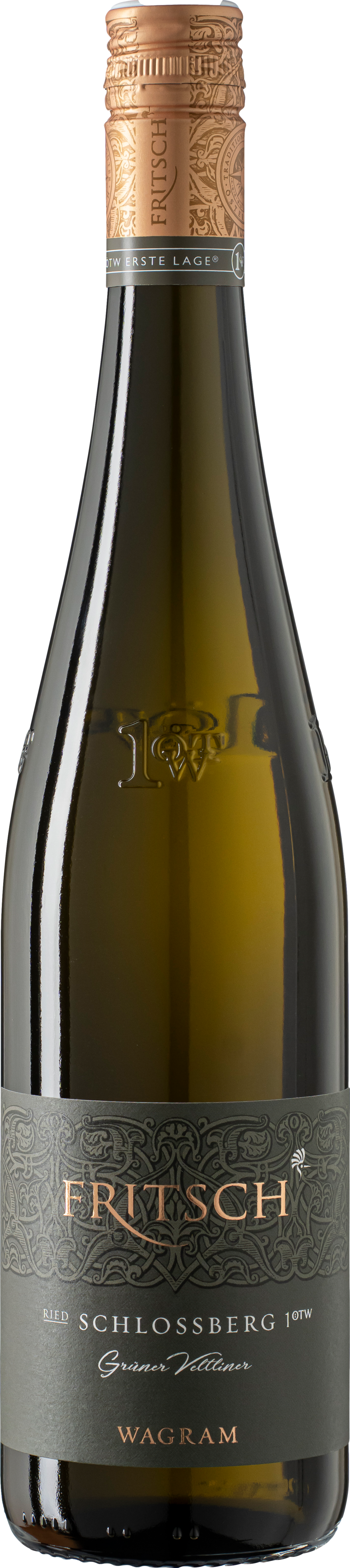
Fritsch

A producer associated with the distinctive Wagram landscape and site-led Grüner Veltliner.

Traisental · Reichersdorf

Markus Huber

A reference for the fresh, precise expression of Grüner Veltliner from the Traisental.

Kamptal · Gobelsburg

Schloss Gobelsburg

A historic estate whose vineyard wines showcase the Kamptal’s varied Grüner Veltliner sites.

Lower Austria

Sepp Moser

A producer offering a different angle on the grape and its winemaking possibilities.

From learning to a genuine bottle

Find your first—or next—Grüner

These five Austrian bottles exist in our partner catalogue and have approved bottle photographs with no evident year conflict in the source filenames. Browse by style, then open the product details to verify current retailer stock, vintage and price.

Start with Wachau Federspiel: typically fresh and versatile, especially with light lunches.

Current live prices or stock are not asserted. We excluded a Czech Grüner Veltliner and Austrian supplier feeds whose listed vintage does not match the pictured bottle. Sipping may earn commission on qualifying retailer sales.

An excellent guest for dinner

Grüner Veltliner & food

This is one of the white grapes that makes vegetables, fried food and herb sauces feel easy to pair. Select the wine’s weight to match the dish.

Wiener Schnitzel

Fresh or classic dry Grüner

The wine’s acidity brightens crispy breadcrumbs and fried richness.

White asparagus with butter

Fresh dry Grüner

A natural spring pairing where restrained fruit and savoury freshness help.

Pan-fried trout

Federspiel or other lighter Grüner

Bright, citrus-edged wines support delicate fish and herbs.

Roast chicken with herbs

Richer Smaragd or textured Grüner

More body meets the roasted flavours and buttery juices.

Goats’ cheese and herbs

Dry Grüner

Its acidity and sometimes peppery character pick up the herbs.

Mushroom risotto

Medium-bodied Grüner

Earthy, savoury textures work with a wine offering gentle body without heavy oak.

Explore pairings

Questions answered

Grüner, in a nutshell

Is Grüner Veltliner always dry?

Many Austrian Grüner Veltliners are dry, but the grape does not guarantee dryness. Check the wine description, residual sugar or labelled style.

What does Grüner Veltliner taste like?

Common impressions include green apple, citrus, pear, herbs and white pepper. A fuller, riper example may have more stone fruit, body and savoury texture. Actual flavours vary by vineyard and winemaking.

Is Smaragd better than Federspiel?

Not necessarily. In the Wachau, Federspiel suggests a medium-weight, versatile style and Smaragd a fuller, riper expression. The right choice depends on food, occasion and taste.

Where is Grüner Veltliner grown?

Austria is its defining home, especially Lower Austria: Wachau, Kamptal, Kremstal, Weinviertel, Traisental and Wagram. It is also planted outside Austria.

How is Grüner different from Riesling?

Both can be vibrant white wines, but Grüner frequently shows savoury, herbaceous or peppery notes and often a different texture. Riesling is more commonly associated with floral aromatics and an especially wide range of sweetness levels. These are tendencies, not rules.

Does Grüner Veltliner age well?

Some concentrated wines from strong sites and careful producers can develop beautifully over years, while fresher bottles are made to be enjoyed relatively young. Price and alcohol alone do not establish ageing potential.

Research & next journeys

Editorial based on the Austrian Wine Marketing Board’s grape and region references and the published Wachau DAC framework. Do not read regional tendencies as guaranteed tasting notes. Products are selected from our permitted-image affiliate catalogue, not inferred from keyword matches alone.