← Autumn

Seasonal moment · 1 October

Sake Day: there’s a whole world beyond “rice wine”.

Delicate and fragrant, rich and savoury, served chilled or gently warmed: sake has far more personalities than its nickname suggests. And sushi is only the start of what it tastes good with.

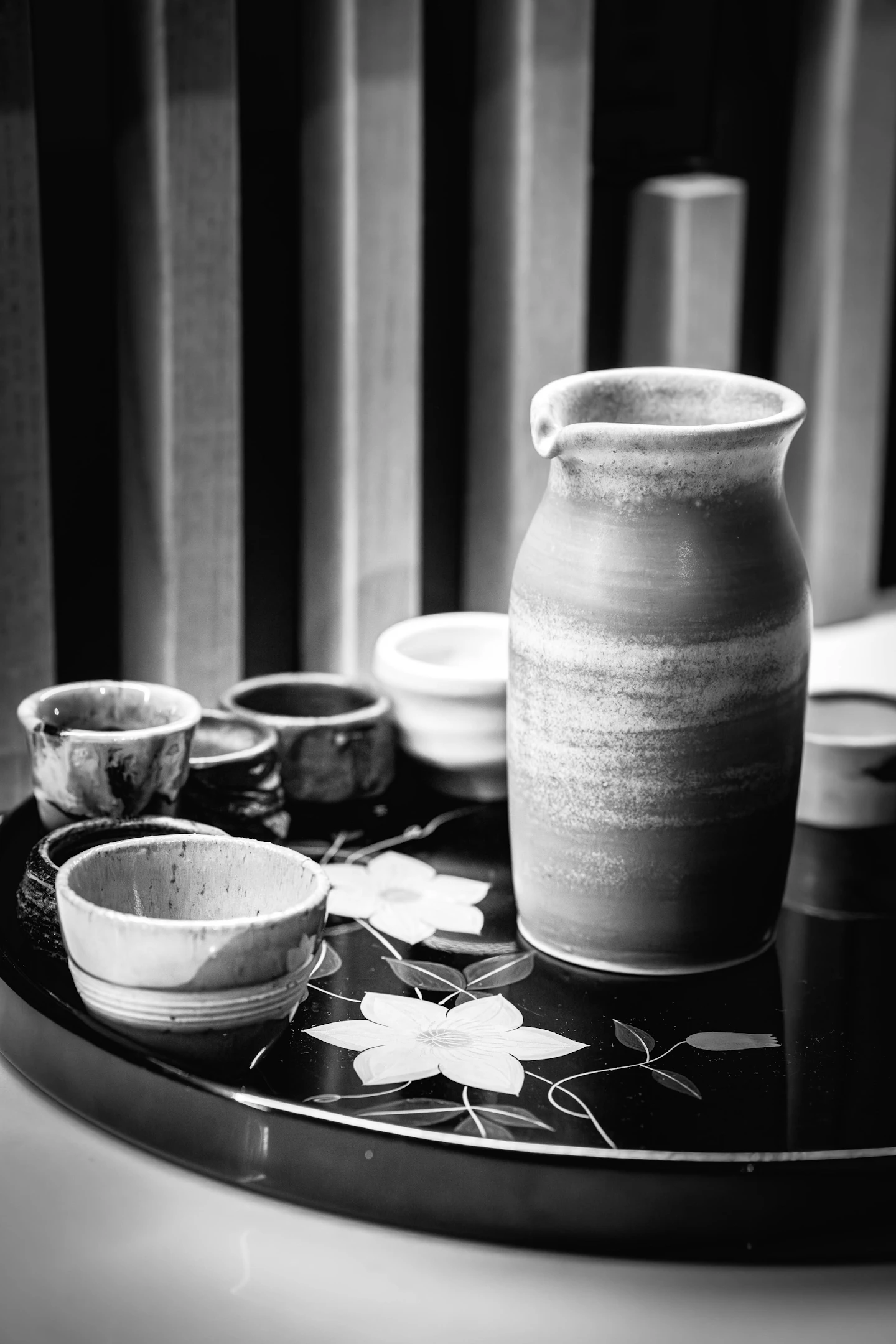
Traditional Japanese sake served in ceramic cups with a matching pitcher on a tray

Sake Day

Four simple ingredients. So many ways to enjoy them.

Photo: Madeline Liu / Unsplash

What to pour

Four ways to get to know sake.

From rice to glass

Four ingredients. A whole world of flavour.

01

Not wine. Not beer. Entirely sake.

Rice, water, koji and yeast: just four essentials, but an extraordinary range of results. Sake is brewed, yet its method is quite different from making either wine or beer. “Rice wine” gets you into the right neighbourhood, but it doesn’t quite tell the story.

Koji is rice cultivated with a special mould that unlocks the grain’s starches as sugar. Yeast turns that sugar into alcohol, and remarkably, both processes happen side by side. That partnership helps give sake its distinctive character.

02

Why 1 October? Ask the rice harvest.

In Japan, 1 October is Sake Day. The date recalls the traditional start of the brewing season, when the rice harvest was in and cooler weather made brewing easier. It has been celebrated as Sake Day since 1978.

It’s a day to appreciate the growers and brewers as well as whatever happens to be in your glass.

03

Chilled, gently warmed or somewhere between?

There’s no single correct temperature for sake. Delicate, aromatic styles often come alive with a little chill, while some richer, savoury bottles show a different side when gently warmed. Room temperature deserves a place at the table too.

Temperature changes what you notice: fruit and floral aromas, texture and even the impression of sweetness. The same bottle can have more than one personality, although not every style benefits from heat.

04

Sushi is lovely. It’s just the beginning.

Sake has a particular affinity with savoury, umami-rich food, which explains its long friendship with Japanese cooking. But don’t stop at sushi. Think grilled fish, mushrooms, miso-rich dishes, creamy cheeses and comforting broths.

A delicate sake can flatter lighter seafood; a fuller-bodied, savoury example can stand up to richer dishes. There’s a lot of delicious territory to explore beyond the sushi counter.

05

Junmai, ginjo, daiginjo… what’s on the label?

The names may look mysterious at first, but they’re helpful clues rather than a league table. Junmai tells you there’s no added brewer’s alcohol. Ginjo and daiginjo point to particular rice-polishing levels and brewing approaches, often associated with fragrant styles.

You may see the words combined, as in junmai ginjo. Once you know the broad idea, the fun part is discovering the flavour you actually enjoy. A beautifully made sake doesn’t have to carry the longest name.

A good place to start

Your first pour

A balanced, approachable sake, served lightly chilled, is a lovely place to begin. Let your taste buds lead the next bottle.

Something to eat

Sushi is always welcome, but mushrooms, grilled fish and creamy cheese can be just as interesting company.

A change of temperature

Try a suitable fuller-bodied style gently warmed, then compare it with a cool pour. Notice how the aromas and texture shift.

Where to next?

Enjoyed a bottle? Explore another sake from the same brewer, or discover how a different region approaches the rice.

Pair it well

Sushi is only the start.

Sake’s gentle savoury character has a knack for food. There’s plenty to discover with mushrooms, grilled dishes and even cheese.

Sake & sushi

Delicate textures and umami make these two natural companions.

Sake & cheese

Creamy, savoury cheese and a rounded sake can be a surprisingly happy pairing.

Warm sake & grilled food

A gently warmed, fuller-bodied sake can be lovely with smoky, savoury dishes.

Low & no

A different kind of toast.

For a Japanese-inspired alcohol-free table, try green tea, roasted hojicha or sparkling tea. They have their own wonderful aromas and food-pairing possibilities — no imitation needed.

Explore tea

Back to the season

Explore all autumn ideas