← Winter

Seasonal moment · January

Dry January without the compromise: drinks chosen for flavour first.

The strongest alcohol-free drinks are not pale imitations. Beer, sparkling tea, botanical aperitifs, coffee, tea and properly built zero-proof cocktails can each work on their own terms.

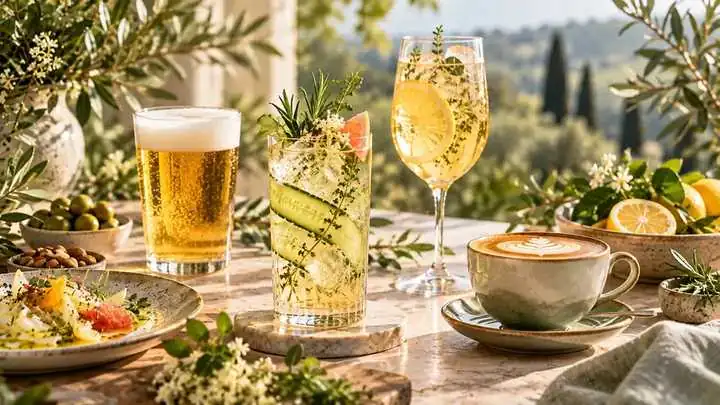
Dry January drinks table with alcohol-free sparkling drinks, herbal refreshment and coffee

Dry January

Seasonal ideas chosen for taste first.

What to pour

Four ways into Dry January.

The deeper guide

Make January about better choice, not worthy substitutes.

01

Start with drinks that are good on their own terms

The strongest Dry January choices do not spend all their energy pretending to be something alcoholic. Coffee, tea, sparkling tea, kombucha-style drinks, botanical aperitifs and well-made alcohol-free beer can each offer structure, ritual and flavour in their own way.

It is more useful to explore alcohol-free drinks by taste and occasion — crisp, bitter, sparkling, warming, food-friendly or evening — rather than putting every bottle into one undifferentiated category.

02

Beer is one of the easiest places to compare style

Alcohol-free lager, pale ale, stout and wheat beer can taste radically different, just like their alcoholic counterparts. Style, bitterness, malt character and body are more useful buying clues than a generic “0.0” badge.

That makes beer style a useful route into more detailed alcohol-free comparisons rather than reducing the choice to a thin seasonal list.

03

Tea solves a different problem

Sometimes the best replacement for an evening glass of wine is not imitation wine at all. Oolong, jasmine tea, rooibos, masala chai and herbal infusions each create a deliberate ritual with aroma, warmth and a clear beginning and end.

That makes Dry January a useful chance to discover drinks that might otherwise be overlooked.

04

Build structure into zero-proof cocktails

Removing the spirit also removes alcohol’s weight, aroma and bitterness, so successful alcohol-free cocktails need structure from somewhere else. Citrus, verjus, tea, tonic, spice, bitters-style flavours and carbonation can provide it.

A drink should still have a reason for every ingredient. More syrup is rarely the answer.

05

Read the label for what matters to you

Alcohol-free and low-alcohol products are made in different ways and can contain different amounts of residual alcohol, sugar and calories. If avoiding alcohol completely is important, check the actual label rather than relying on the style name.

Sipping can help users compare flavour and format without turning Dry January into a medical or moral judgement.

Useful buying & hosting shortcuts

For beer drinkers

Choose by beer style first — lager, pale ale, stout, wheat — then compare the alcohol-free versions.

For wine drinkers

Try sparkling tea, verjus-led serves or dry botanical drinks as well as dealcoholised wine.

For evenings

Tea and herbal infusions can replace the ritual of pouring a drink without needing to imitate alcohol.

For cocktails

Prioritise bitterness, acidity and aroma; avoid products that rely mainly on sweetness.

Pair it well

The seasonal food matters as much as the glass.

Use intensity, sweetness, acidity, roast and aroma as the bridge between food and drink rather than relying on colour or tradition alone.

Alcohol-free lager & curry

Carbonation and bitterness refresh without increasing heat.

Sparkling tea & cheese

Tannin and acidity can make tea surprisingly food-friendly.

Espresso & dark chocolate

A compact, intense finish to a meal with no alcohol needed.

Low & no

Keep the occasion. Change the alcohol.

This entire page is low/no by design: the goal is not abstinence theatre, but genuinely enjoyable drinking.

Explore alcohol-free

Back to the season

Explore all winter ideas